
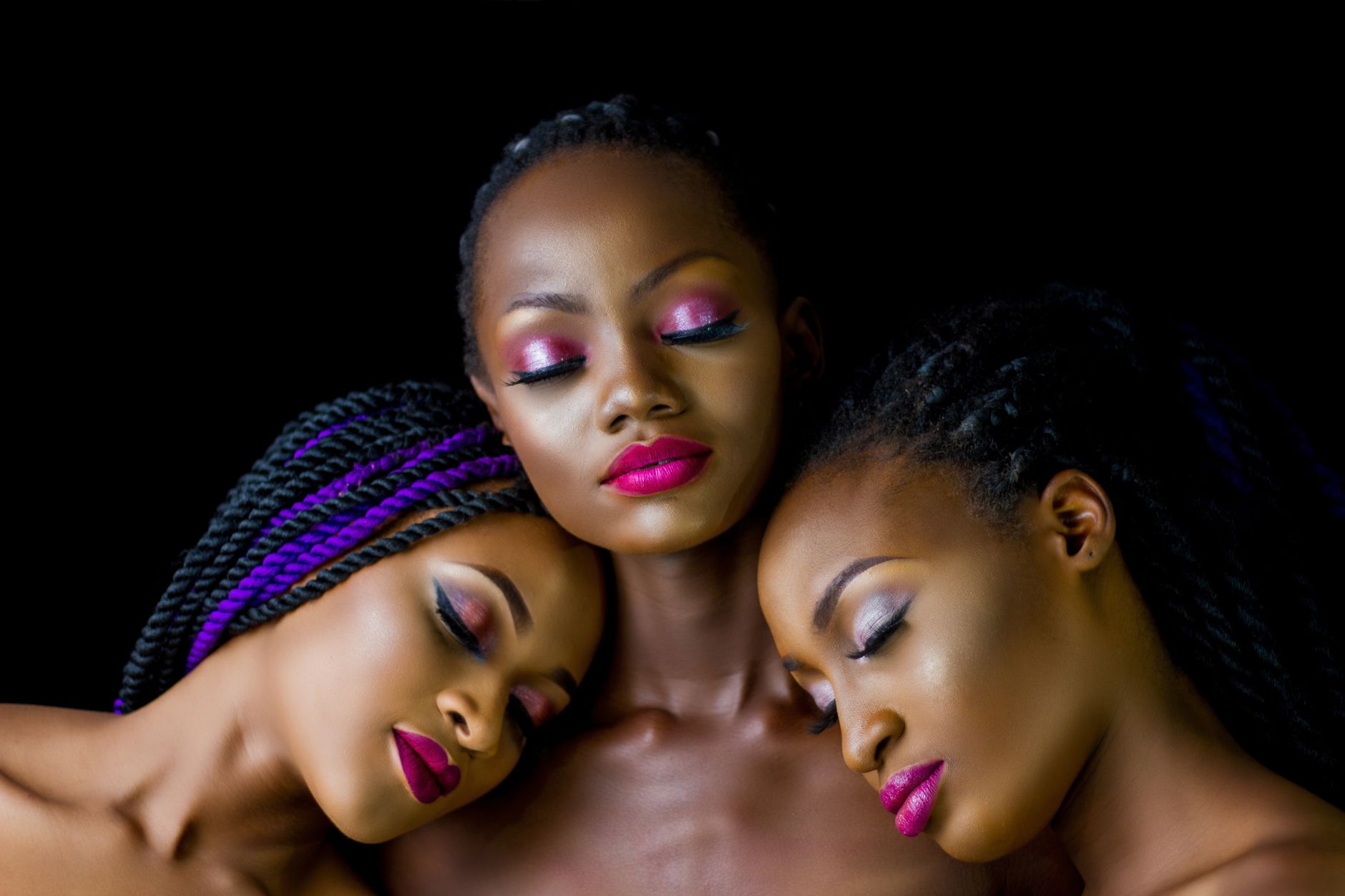
The phrase “Black Is Beautiful” resonates deeply within the beauty industry, celebrating the diverse beauty found among individuals of African descent. This article delves into the numerous aspects of natural beauty specific to Black skin and culture, encompassing skincare, makeup, haircare, and more, while promoting inclusivity and self-acceptance.
Understanding and appreciating Black beauty movements is essential for cultivating routines and selecting products that enhance natural features. By focusing on the unique attributes and skin needs of Black individuals, we promote beauty that transcends traditional standards, championing authenticity and cultural heritage.
What Does “Black Is Beautiful” Mean in Skincare?
The term “Black Is Beautiful” initiatives a sense of pride, embodying the celebration of melanin-rich skin. This section explores suitable skincare routines that address the unique needs of darker skin tones, including hyperpigmentation, dryness, oiliness, and sensitivities.
Identifying Skin Types and Concerns
Before embarking on a skincare journey, it’s vital to recognize your skin type. The basic classifications include:
- Normal: Balanced skin without excessive oil or dryness.
- Oily: Skin that produces excess oil, leading to shine and potential breakouts.
- Dry: Skin that feels tight, rough, or flaky due to lack of moisture.
- Sensitive: Skin that reacts easily to products or environmental factors.
- Combination: A mix of both oily and dry areas, typically oily in the T-zone.
In addition, some common skin concerns for individuals with darker skin may include:
- Hyperpigmentation: Dark spots or patches caused by excessive melanin production.
- Uneven skin tone: Variances in pigmentation among different areas of the skin.
- Acne scars: Marks left behind by past breakouts.
Creating a Skincare Routine for Black Skin
A well-rounded skincare routine typically consists of a few essential steps. Below is a basic regimen tailored to the needs of Black skin:
- Cleansing: Use a gentle, sulfate-free cleanser to remove dirt and excess oils. Cleanse your face twice daily to keep the skin clear and refreshed.
- Toning: Apply a hydrating toner with soothing ingredients like rose water or chamomile. This step helps restore skin pH and prepares it for further products.
- Serum: Choose a serum that targets specific concerns, such as vitamin C for brightening and evening out skin tone, or hyaluronic acid for hydration.
- Moisturizing: Use a rich moisturizer which may include oils such as shea butter or jojoba oil, helping to seal in moisture and provide a protective barrier.
- Sun Protection: Always apply a broad-spectrum sunscreen with at least SPF 30, even on cloudy days, to prevent hyperpigmentation and protect against UV damage.
Common Mistakes and Tips
Here are some common skincare mistakes to avoid alongside practical ways to simplify your routine:
- Skipping Sun Protection: Never overlook sunscreen. It’s crucial regardless of your skin tone.
- Over-exfoliating: Too much exfoliation can irritate the skin, leading to more issues. Stick to 1-2 times a week.
- Rushing Product Application: Allow each product to absorb before applying the next to maximize effectiveness.
- Neglecting Hydration: Drink plenty of water to keep your skin hydrated from the inside out.
Embracing Black Beauty in Makeup
Makeup serves as a powerful medium for self-expression. Understanding techniques and products that complement darker skin tones helps enhance natural beauty. Here’s an overview of how to create a stunning makeup look tailored for Black skin.
Selecting Foundation and Concealer
Finding the right foundation shade can be challenging but essential. Here are tips for selecting products:
- Test shades in natural light and aim for the closest match to your undertone—golden, cool, or neutral.
- Consider the formula that works best for your skin type. Matte formulas may suit oily skin, while hydrating formulations benefit those with dry skin.
- Concealers should be one to two shades lighter than your foundation to effectively hide dark circles and blemishes.
Crafting an Eye Look
Your eye makeup can embody your style, emphasizing natural beauty while integrating color. Follow these steps:
- Prep the eyelids: Start with an eyeshadow primer for longer-lasting application.
- Bold Colors: Choose vibrant colors such as deep blues, rich purples, or warm earthy tones that pop against deeper complexions.
- Eyeliner: Black eyeliner enhances and defines the eyes. Consider experimenting with winged looks for added drama.
- Mascara: Use a volumizing mascara to add length and volume to lashes, completing the eye look.
Lip Love
When it comes to lips, a multitude of colors can complement dark skin tones. Some essential tips include:
- Experiment with bold shades like deep reds, purples, and metallic hues.
- For a more natural look, consider nude lip colors with warmer undertones that blend seamlessly with your lip shade.
- Use lip liner to define and prevent lipstick from feathering, enhancing your lip’s shape.
Haircare for Natural and Textured Hair
Haircare routines vary widely among individuals with natural and textured hair. Understanding hair types, styles, and proper product selection is crucial for maintaining healthy hair.
Understanding Hair Texture and Type
Different hair types require different routines. The curl pattern classifications widely recognized are:
- Type 1: Straight
- Type 2: Wavy
- Type 3: Curly
- Type 4: Coily or Kinky
For those with textured hair, common concerns may include:
- Dryness: Texture can mean less natural oil reaches the ends of hair.
- Breakage: Fragile strands may break easily without proper care.
- Shrinkage: Natural hair may shrink significantly, affecting perceived length.
Establishing a Haircare Routine
A healthy haircare routine ideally involves these steps:
- Cleansing: Use a sulfate-free shampoo to cleanse hair without stripping moisture.
- Conditioning: Follow up with a hydrating conditioner or deep conditioner to replenish lost moisture.
- Detangling: Use a wide-toothed comb or your fingers to gently detangle while the hair is wet and conditioned.
- Moisturizing: Incorporate a leave-in conditioner or hair oil to retain moisture.
- Styling: Explore methods like twisting, braiding, or using curl-defining creams for your desired look.
Common Hair Care Mistakes
To maintain healthy hair, avoid these common pitfalls:
- Over-washing: Frequent washing can strip natural oils; instead, aim to wash weekly or bi-weekly.
- Using Heat Too Often: Limit the use of heat styling tools to reduce damage.
- Neglecting the Scalp: Remember to care for your scalp. A healthy scalp supports healthy hair growth.
The Impact of Fragrance in Beauty Culture
Fragrance plays a significant role in enhancing beauty. A well-chosen scent can evoke emotions and leave lasting impressions. Here’s how to navigate the world of fragrance.
Understanding Fragrance Families
Fragrance notes generally fall into several families, each lending itself to different vibes:
- Citrus: Fresh and invigorating, perfect for daytime wear.
- Floral: Romantic and classic, ideal for a softer appeal.
- Oriental: Warm and exotic, suited for evening wear.
- Woody: Rich and spicy, providing depth and strength.
Selecting Your Signature Scent
Choosing a fragrance involves more than just picking a pretty bottle. Here’s how to find a scent that resonates:
- Test fragrances on your skin rather than on paper strips, as scent evolves based on body chemistry.
- Start with lighter scents and build up to heavier tones, allowing the scent to develop before making a decision.
- Consider seasonal fragrances, opting for lighter florals in the summer and deeper scents in the winter.
Celebrating Natural Nails
Nail care is often overlooked but equally important as skincare and haircare. A well-groomed set of nails complements the overall beauty aesthetic.
Nail Care Basics
Routine nail care involves several key steps:
- Cleaning: Keep nails clean and well-trimmed to avoid hangnails and buildup of dirt.
- Moisturizing: Use cuticle oil to nourish and moisturize the nail area.
- Filing: Shape nails with a gentle file to avoid splitting and breakage.
- Polishing: Apply a base coat, followed by your favorite nail polish and a top coat to maintain shine and longevity.
Exploring Nail Trends
Dare to express your style through color and shape. Here are a few trending ideas:
- Bold Colors: Vibrant shades that make a statement.
- Nail Art: Creative designs and patterns for unique flair.
- Natural Look: Polished nude nails for a clean, sophisticated appearance.
Cultural Significance of Beauty
Beauty extends beyond products and routines; it encapsulates cultural history, self-expression, and identity. Understanding the cultural significance of beauty rituals can enhance appreciation for one’s unique heritage.
Historical Influences
Many beauty practices draw from rich cultural heritages. Some historical influences include:
- Use of natural resources, such as shea butter and coconut oil, for skincare and haircare.
- Ritualistic applications, celebrating identity through adornments and body art.
- The influence of iconic figures and movements on beauty standards and trends, enhancing representation.
Modern Representation
Today’s beauty space is evolving to embrace diversity and representation, recognizing the profound beauty within all skin tones and hair types. Trends are shifting towards inclusivity, fostering an environment where everyone feels celebrated.
Everyday Beauty Routines
Creating personalized beauty routines that resonate with your needs is empowering. Below is a simplified approach to building an everyday beauty routine.
Morning Routine
- Cleansing: Start your day with a refreshing cleanse.
- Moisturizing: Apply a hydrating moisturizer.
- Sun Protection: Never skip sunscreen, essential for protection.
- Makeup Application: Bring out your unique features through makeup suitable for your skin tone.
Evening Routine
- Cleanse: Remove makeup and impurities.
- Tone: Rebalance your skin’s pH.
- Treat: Use targeted serums or treatments for specific concerns.
- Moisturize: Apply a nighttime moisturizer to hydrate.
Conclusion
The phrase “Black Is Beautiful” reminds us of the beauty in diversity and individuality. By embracing unique skin tones, hairstyles, and cultural backgrounds, we can celebrate authentic beauty. Building personalized routines and understanding the products that suit our features helps boost self-confidence and cater to our beauty needs. Start small by experimenting with a few new products or techniques this week.
Explore our guides on embracing Black beauty and dive into makeup for darker skin for more insights tailored to your beauty journey.