
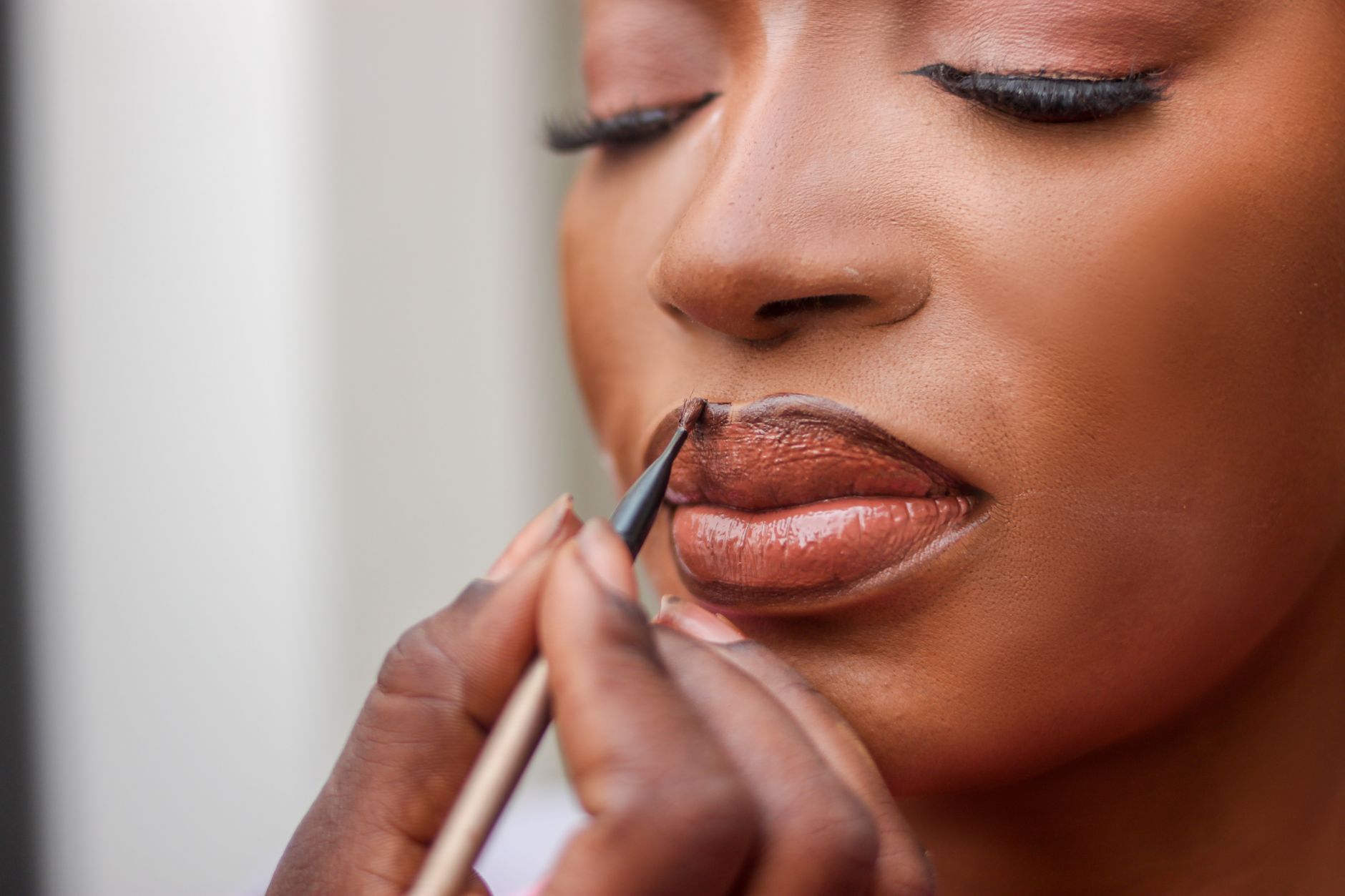
When it comes to makeup, finding the right products and techniques for dark skin can be a rewarding yet challenging endeavor. Understanding how to accentuate your features with the right shades, formulations, and textures is crucial for achieving a flawless look. This guide will delve into essential tips and techniques specifically for dark skin, focusing on foundation, blush, and shade selection.
From choosing the correct foundation shade to applying blush that complements your skin tone, each element plays a significant role in enhancing your natural beauty. Whether you’re a makeup novice or looking to refine your skills, this guide aims to provide practical, inclusive advice.
What Is Makeup for Dark Skin?
Makeup for dark skin refers to a range of cosmetic products and techniques tailored to complement deeper skin tones. This involves selecting foundations, blushes, and other makeup products that harmonize with the unique undertones and depth of dark skin. Understanding undertones—cool, warm, or neutral—is vital for selecting products that enhance rather than clash with your natural complexion.
Choosing the Right Foundation
The foundation is the base of any makeup look, serving to even out the skin tone and create a smooth canvas for other products. Choosing the right foundation for dark skin involves more than just selecting a “dark” shade; it encompasses understanding your specific undertones as well.
Understanding Undertones
Dark skin can have a variety of undertones. Recognizing your undertone is critical for selecting the right foundation. Here are the primary undertones:
- Cool undertones: Hints of blue or pink. Look for foundations labeled as “cool” or “neutral.”
- Warm undertones: Yellow or golden hues. Foundations with “warm” labels or golden tones are ideal.
- Neutral undertones: A mix of both cool and warm tones. Look for foundations that are simply labeled as “neutral.”
Foundation Formulas
Different foundation formulas cater to various skin types and desired finishes. Here are some popular types:
- Liquid Foundations: Suitable for most skin types, offering options for both dewy and matte finishes.
- Stick Foundations: Excellent for targeted coverage and convenient application, often good for oily and combination skin.
- Cream Foundations: Provide full coverage, ideal for dry skin, but can also be used on normal to combination skin types.
- Powder Foundations: Suitable for oily skin, giving a matte finish and easy application.
Selecting the Right Shade
When testing foundation shades, be sure to do so in natural light to assess the ideal match. Consider these tips:
- Test foundations along your jawline where the skin tone transitions from the face to the neck.
- Choose a shade that blends seamlessly into your skin without leaving a noticeable line.
- Don’t be afraid to mix shades if you can’t find an exact match—many brands allow custom blending.
Application Techniques
The application of foundation can alter the way it sits on the skin. Here are a few techniques:
- Using a sponge: A damp makeup sponge can create a natural, airbrushed finish.
- Brush application: A foundation brush can provide more coverage, especially for areas needing more attention.
- Fingers: Applying foundation with clean fingers offers a natural, skin-like finish.
Blush for Dark Skin
Finding the right blush can illuminate the complexion and provide a youthful glow. For dark skin, certain shades stand out and enhance the skin’s natural radiance.
Best Blush Shades
While personal preference ultimately rules, some blush shades work exceptionally well with darker skin tones:
- Coral: Offers a warm flush that looks vibrant on deeper skin tones.
- Berry: Provides a rich, deep pop of color, perfect for evening looks.
- Peach: A subtle, warm hue that brightens the skin without overpowering it.
- Bronze: Perfect for a sun-kissed look, deep bronze tones can double as blush and bronzer.
Application Tips for Blush
Blush placement is essential for proper application. Here are some techniques:
- Smile to find the apples of your cheeks, then apply blush in a circular motion for a natural look.
- For a more sculpted appearance, sweep blush diagonally from the apples of the cheeks up toward the temples.
- Use a light hand to build up the color gradually—it’s easier to add more than to remove excess.
Highlighting and Contouring for Dark Skin
Highlighting and contouring can enhance your natural features, adding depth and dimension. Here are tips tailored specifically for dark skin.
Choosing Highlighters
Highlighters can bring out the features in a beautiful way. Opt for shades like:
- Golds: Warm gold tones can give a beautiful shine without looking stark.
- Bronzy shades: Offer a natural glow, perfect for those with deeper skin tones.
- Champagne: This versatile shade complements various undertones and works well for highlighting.
Contouring Techniques
When contouring, maintain balance and depth. Here are specific tips:
- Use a cream or powder contour that is 2-3 shades deeper than your foundation.
- Apply contour to the hollows of your cheeks, along the jawline, and on the sides of the nose for subtle definition.
- Blend well to avoid harsh lines—consider using a damp sponge for seamless blending.
Eye Makeup for Dark Skin
Eye makeup can be incredibly transformative. For dark skin, certain colors and techniques work particularly well.
Eyeshadow Shades
Deep skin tones can rock a wide range of eyeshadow colors. Consider the following:
- Earth tones: Browns, coppers, and golds enhance deeper complexions beautifully.
- Bold colors: Deep blues, purples, and greens stand out and make a statement.
- Neutrals: Creams, taupes, and warm beiges can be excellent base shades.
Application Techniques
- Start with a primer to help your eyeshadow last longer and prevent creasing.
- Utilize a flat brush for applying shimmery shades to maximize pigmentation.
- Blend with a fluffy brush, ensuring color transitions are smooth for a professionally polished look.
Defining Your Eyebrows
Bold eyebrows can frame the face beautifully. Follow these steps for defining your brows:
- Choose a shade: Opt for a brow product that matches your hair color for a natural appearance.
- Outline: Use a brow pencil or powder to create an outline, filling in sparse areas as needed.
- Set with gel: A clear brow gel can keep your brows in place all day.
Lips for Dark Skin
Lip color can dramatically affect your overall look. Finding suitable shades for dark skin can elevate your makeup game.
Best Lip Colors
Here are shades that typically look incredible on darker skin tones:
- Deep reds: Bold, classic reds create a striking contrast against darker skin.
- Plums and berries: Rich shades of purple or berry offer a sophisticated pop.
- Nudes: Seek out warm nudes with hints of peach or brown for a suitable “my lips but better” tone.
Application and Finishing Touches
- Exfoliate lips before applying color; this ensures a smooth application.
- Consider using a lip liner to define the lips and prevent feathering of color.
- For a plump finish, dab a little gloss in the center of the lips for added dimension.
Makeup Remover and Skincare
At the end of the day, cleansing your face of makeup is crucial to maintaining healthy skin. Here’s how to effectively remove makeup and care for dark skin:
Best Practices for Makeup Removal
- Start with an oil-based makeup remover: This type effectively dissolves makeup, even waterproof formulas.
- Follow with a gentle cleanser: A sulfate-free, hydrating cleanser can help remove any residue without stripping the skin.
- Don’t forget to moisturize: Incorporate a suitable moisturizer to replenish hydration after cleansing.
Skincare for Dark Skin
Proper skincare can further enhance your makeup application. Here are essential products and routines:
- Hydrating serums: Look for serums rich in hyaluronic acid to help retain moisture.
- Exfoliating products: Regular exfoliation will help smooth skin texture and encourage cell turnover.
- SPF protection: Daily application of broad-spectrum sunscreen is non-negotiable to protect skin from UV damage.
Common Mistakes to Avoid
Even seasoned makeup enthusiasts can fall prey to common makeup mistakes. Here are a few to watch out for:
- Choosing a foundation that is too light or dark.
- Over-applying blush or contour without blending.
- Forgetting to set makeup with powder or spray for longevity.
- Neglecting skincare, which can affect how makeup sits on the skin.
Final Thoughts
Makeup for dark skin is a beautiful and expressive form of art. The key lies in understanding your unique skin tone, undertones, and features. With the right selection of products and techniques, you can enhance your natural beauty and feel confident in every look.
As you experiment with different products and styles, remember that beauty is personal and subjective. Explore options, have fun, and embrace what makes you feel beautiful. Your makeup journey is distinctly yours!
For more detailed beauty tips and advice, be sure to explore our guides on making your beauty shine and dealing with dark spots.