
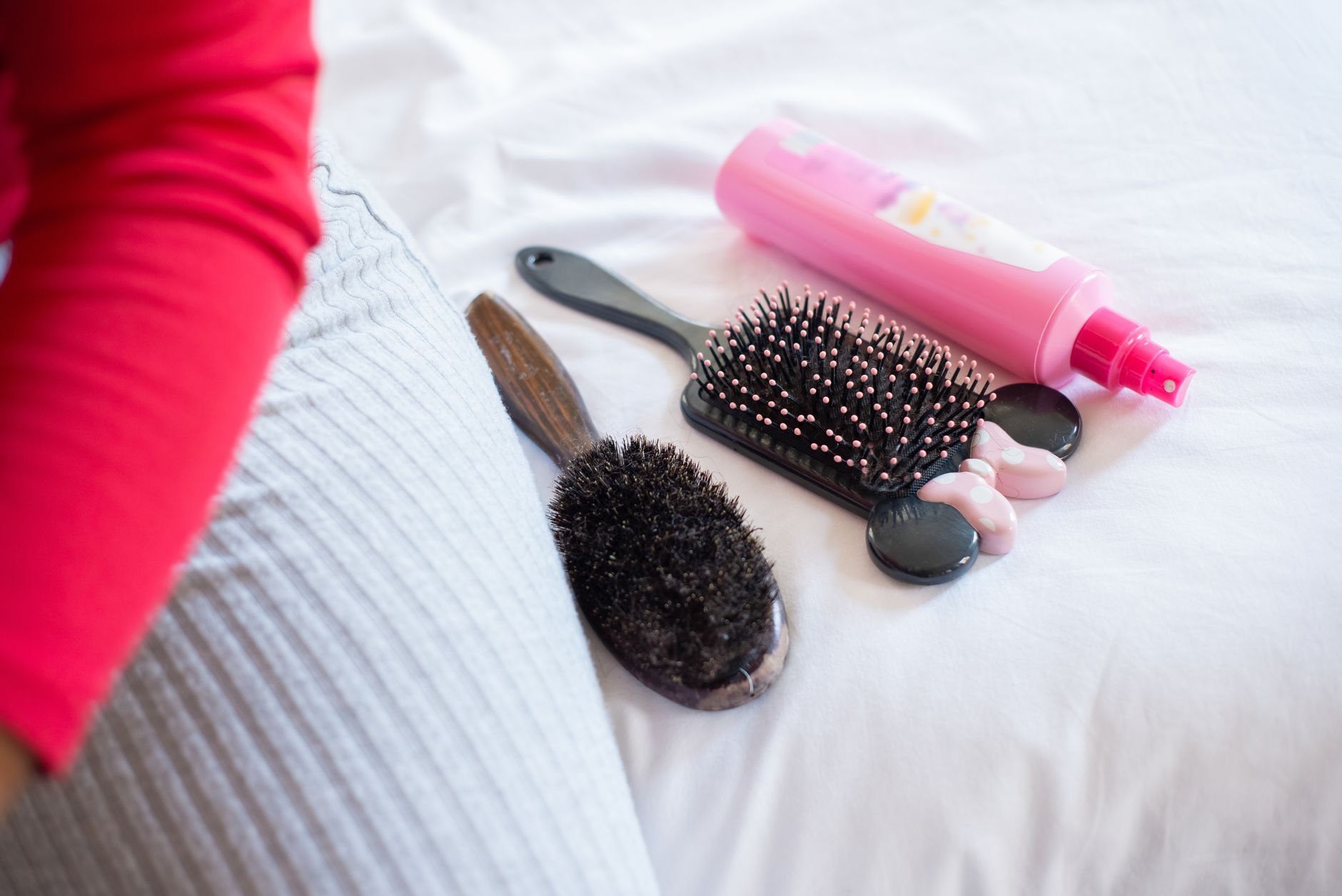
Static hair can be an unwelcome surprise, leaving you with an uncontrollable mane that can frizz, fly away, or appear dull. Understanding the reason behind this chaotic hair behavior is key to resolving it. By identifying the causes, you can implement effective techniques to restore smoothness and shine.
Whether you’re experiencing static hair due to environmental factors, hair care habits, or product choices, this guide will help you navigate your way to healthier, less static-prone locks. Let’s explore what causes static hair, how to fix it, and ways to prevent it in the future.
Why Is My Hair So Staticky?
The reasons for static hair can be attributed to several factors, including dryness, humidity, and even hair type. Static occurs when your hair strands carry an electrical charge, typically from the lack of moisture. When humidity is low, hair loses moisture, leading to the buildup of static electricity. Additionally, using certain products or tools can exacerbate the problem, making your hair feel unmanageable.
Common Causes of Static Hair
Understanding what contributes to static in your hair can help you identify the best solutions. Here are the main causes:
- Dryness: Lack of moisture in your hair can lead to static. Dry, damaged hair tends to lack the natural oils needed for smoothness.
- Humidity Levels: Surprisingly, both low humidity and high humidity can affect your hair. Low humidity can lead to dryness and static, while high humidity can lead to frizz and flyaways.
- Heat Styling: Blow dryers, straighteners, and curling irons can strip moisture from your hair, increasing static.
- Incorrect Products: Some hair products, particularly those with alcohol, can dry out your hair and contribute to static.
- Material Mismatch: Hair care tools made from specific materials, like plastic, can generate static. Similarly, certain fabrics can contribute to static build-up on your hair.
- Hair Type: Naturally fine or straight hair is more prone to static buildup, especially in dry climates.
How to Fix Static Hair
Once you’ve identified the causes, you can take steps to alleviate static in your hair. Here are effective strategies for taming that unwanted frizz:
- Moisturize Regularly: Utilize deep conditioning treatments and leave-in conditioners to maintain moisture levels in your hair. Look for products specifically targeted at hydration.
- Use Anti-Static Products: Consider serums or sprays designed to reduce static electricity. These products can create a barrier to prevent static strands.
- Switch to a Silk or Satin Pillowcase: These materials cause less friction than cotton, helping to reduce static buildup while you sleep.
- Avoid Alcohol-based Products: Look for hair care products free of alcohol and sulfates, both of which can dry out hair.
- Optimize Your Washing Routine: Wash hair less frequently to help retain natural oils. Consider using a gentle, moisturizing shampoo that nourishes your hair.
- Incorporate Hair Oils: Lightweight oils, such as argan or jojoba oil, can add moisture and shine, counteracting the effects of static. Apply a few drops to the ends of your hair to prevent frizz.
- Brush with Care: Use a wide-tooth comb or a brush designed to reduce static. Avoiding harsh brushing can help keep your hair smooth.
- Adjust Your Styling Techniques: When using heat tools, always apply a heat protectant. Additionally, try air-drying your hair whenever possible to avoid the drying effects of styling tools.
- Stay Hydrated: Drinking enough water is essential for overall hair health. Ensuring you’re well-hydrated will reflect positively on your hair.
Prevention Tips for Static Hair
The best defense against static hair is a good offense. Implementing a few preventive measures can save you from dealing with static hair in the first place:
- Regular Trims: Keeping your hair trimmed can eliminate split ends, which can make static worse.
- Use a Humidifier: If you live in a dry climate or use heating in winter, using a humidifier can introduce moisture into the air, benefiting both your skin and hair.
- Choose the Right Fabrics: Avoid synthetic fabrics like polyester and go for natural fibers like cotton or wool when dressing and bedding.
- Limit Heat Usage: Try to limit heat styling to once or twice a week to keep your hair healthy and hydrated.
- Cold Water Rinse: After conditioning, rinsing with cold water can help seal the hair cuticle, reducing static and enhancing shine.
- Stay Mindful of Your Products: Regularly assess the ingredients in your hair care products to ensure they are nourishing, not drying. This includes styling gels, sprays, and even shampoos.
Best Hair Care Ingredients to Combat Static
Familiarizing yourself with beneficial ingredients can further enhance your hair care routine. Here are some effective ingredients to look for:
- Hydrating Oils: Argan oil, coconut oil, and olive oil work to moisturize and smooth hair.
- Silicones: Dimethicone and cyclopentasiloxane can coat the hair, reducing static and increasing shine.
- Amino Acids: Ingredients like silk or keratin proteins add strength and resilience to each strand.
- Glycerin: This humectant attracts moisture to the hair, helping to maintain hydration and control static.
- Conditioning Agents: Ingredients like behentrimonium chloride and cetyl alcohol can help detangle and smooth hair, reducing frizzy effects.
Hair Types and Static Electricity
Understanding your specific hair type is crucial in combating static effectively. Different textures and conditions respond to various treatments:
Straight Hair
Straight hair may show static easily due to its smooth surface. Use lightweight oils or serums to weigh it down slightly without making it greasy, which will help in taming any flyaways.
Wavy Hair
Wavy hair can be more prone to frizz, leading to an illusion of static at times. A good styling cream or mousse can help define waves while keeping moisture levels balanced.
Curlier Textures
Curly hair can naturally hold more moisture, but certain products or climate conditions can disrupt this balance. Using a rich leave-in conditioner or curl cream can help maintain hydration and combat static.
Fine Hair
Fine hair is more susceptible to airborne static. Applying anti-static sprays specifically for fine hair or lightweight leave-in conditioners can help reduce flyaways without weighing hair down.
Tools and Techniques to Reduce Static
The tools you use can make a significant difference in how static manifests in your hair. Here are some helpful tools and techniques:
- Wide-tooth Comb: Detangling wet hair with a wide-tooth comb can help minimize breakage and static.
- Natural Bristle Brushes: Brushes made from natural materials, like boar bristle, help distribute natural oils through the hair, reducing static.
- Anti-static Hair Dryer: Using a hair dryer with an ionic setting can help minimize static by neutralizing charges in the hair.
- Microfiber Hair Towel: Opt for a microfiber towel to gently dry your hair, as it will cause less friction than a cotton towel.
Transitioning Seasons and Static Hair
Seasonal changes significantly impact hair, particularly in transitioning from summer to fall or winter to spring. Here’s how to adapt your hair care routine according to the season:
Fall and Winter
Low humidity and dry air tend to prevail during these seasons. To combat static, you should:
- Use rich, creamy conditioners and deep treatments regularly.
- Invest in a humidifier to maintain moisture in your environment.
- Layer hair oils underneath styling products for added protection against the elements.
Spring and Summer
Humidity may cause your hair to become frizzy and unmanageable. To manage static during these months:
- Switch to lighter hair products to prevent build-up that can attract moisture.
- Make sure to carry anti-frizz serum or spray for quick touch-ups.
- Keep hair sealed with protective styles that keep it off your neck to prevent sweating.
Emotional and Mental Effects of Static Hair
Many of us know the frustration that comes with having static hair; it can impact your mood and how you feel about your appearance. Addressing these feelings is important:
- Avoid Over-focusing: Remember, static hair is temporary. Focus on hydration and care instead of dwelling on the problem.
- Self-Care: Regular self-care practices, including hair treatments and pampering, can improve your perception of hair issues.
- Embrace Your Locks: Every hair texture has unique beauty. Sometimes, a bit of static can actually add character!
By understanding why your hair becomes static and implementing the right strategies, you can take control of your hair and achieve the look you desire. It’s all about finding the right products and techniques that align with your specific hair type and lifestyle.
To recap, static can arise from dryness, product choices, or environmental factors, but with mindful care, you can diminish its effects. Achieve smooth, manageable hair by moisturizing, choosing the right tools, and being mindful of seasonal changes.
If you’re looking to tame frizz further, check out our guides on how to fix frizzy hair and how to get fluffy hair for more tips and tricks. Embrace beauty in all forms and remember that with the right care and knowledge, your hair can always shine!