
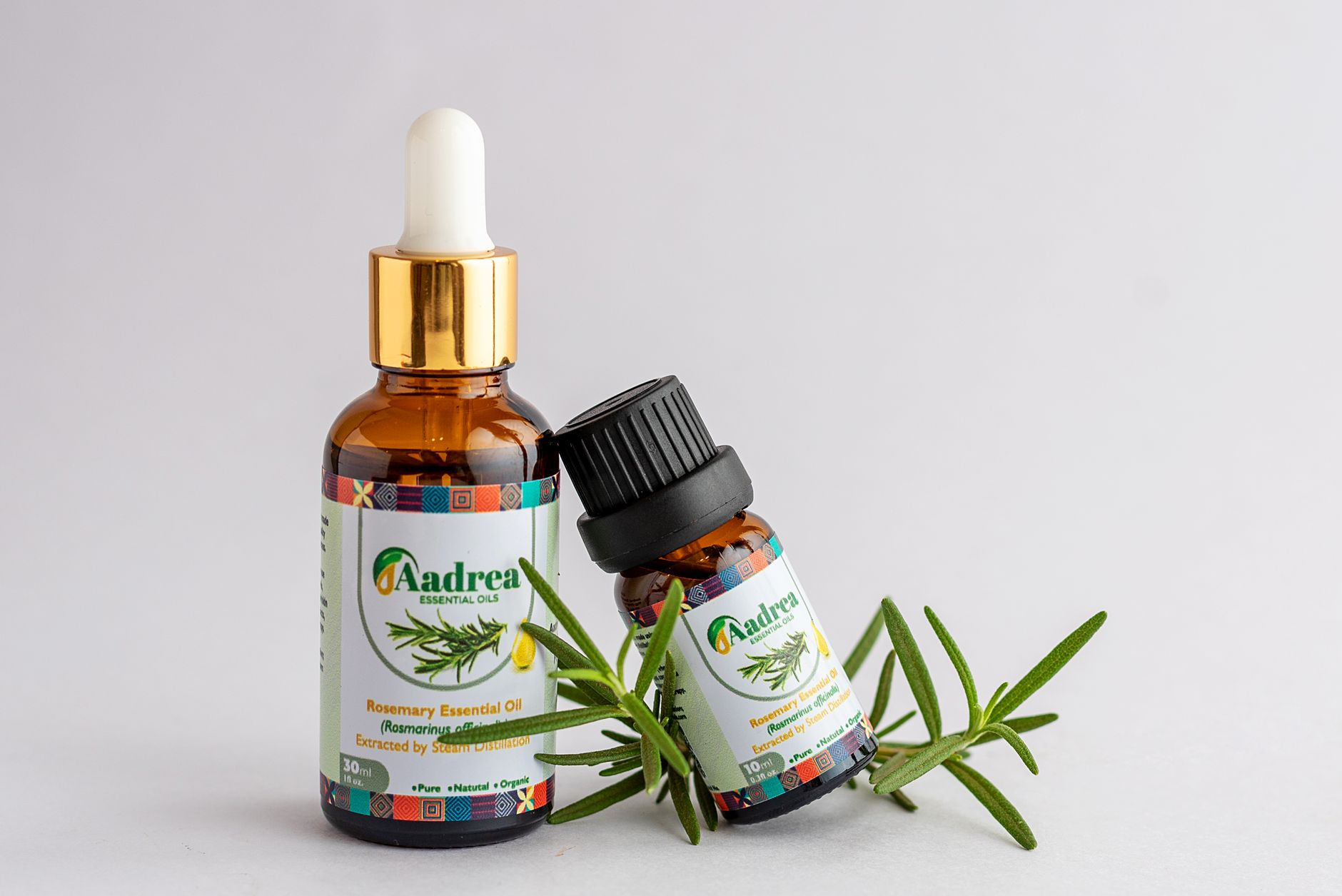
Rosemary oil is more than just a fragrant herb found in your kitchen. It’s renowned for its potential benefits in haircare, providing nourishment, shine, and promoting scalp health. Making your own rosemary oil at home allows you to harness these benefits naturally, controlling the quality and purity of the oil. Whether you want to boost your hair’s vitality or simply enjoy its aromatic properties, creating rosemary oil is an accessible and rewarding DIY project.
This guide will outline a step-by-step process on how to make rosemary oil, including the various methods available, tips for use, and its multiple benefits for haircare. Read on to become an expert in creating your own rosemary oil.
How to Make Rosemary Oil (DIY Steps & Haircare Uses)
Making rosemary oil at home can be accomplished through a few different methods, including the infusion method and the essential oil distillation method. Here, we will focus on the simpler infusion method, which is ideal for beginners and requires minimal equipment.
What You Will Need
Before diving into the steps, gather your materials. This list includes everything you will need to make rosemary oil at home:
- Fresh or dried rosemary leaves
- Carrier oil (e.g., olive oil, coconut oil, grapeseed oil)
- A clean glass jar with a lid
- A strainer or cheesecloth
- A small dark glass bottle for storage
Why Use Rosemary Oil for Haircare?
Rosemary oil is known for its numerous benefits in promoting hair health:
- Stimulates hair growth by improving circulation to the scalp.
- Reduces dandruff and scalp irritation due to its antimicrobial properties.
- Conditions hair, helping it become shinier and more manageable.
- May help prevent premature graying and maintain natural hair pigmentation.
Steps to Make Rosemary Oil
Follow these straightforward steps to make your homemade rosemary oil:
Step 1: Prepare Your Rosemary
If you’re using fresh rosemary, rinse it thoroughly to remove any dirt. Pat it dry with a towel to remove excess moisture. If using dried rosemary, ensure it’s kept in a cool, dark place until you’re ready to use it.
Step 2: Choose Your Carrier Oil
Select a carrier oil suitable for your hair type. Olive oil is great for dry hair, while coconut oil works well for those needing protein. Grapeseed oil is lighter and suitable for oily hair. Measure out about one cup of carrier oil for every two tablespoons of rosemary leaves you plan to use.
Step 3: Combine Ingredients
In your clean, dry glass jar, add the rosemary leaves and pour the carrier oil over them. Ensure that all the rosemary is fully submerged in the oil, as this helps in better infusion. Stir gently to release any air bubbles trapped in between.
Step 4: Infuse the Oil
Seal the jar tightly with a lid. You can either let the mixture sit at room temperature for about 2 to 4 weeks or use gentle heat to speed up the infusion process. To do this, place the jar in a double boiler or a slow cooker filled with water on low heat for 3 to 6 hours. Always keep an eye on it to avoid overheating.
Step 5: Strain the Oil
Once the oil is infused to your liking, strain the mixture using a cheesecloth or a fine strainer into a clean container. Make sure to squeeze out as much oil as possible from the rosemary leaves.
Step 6: Store Your Rosemary Oil
Transfer the strained oil to a small dark glass bottle to protect it from light and extend its shelf life. Label your bottle with the date and store it in a cool, dark place. Your homemade rosemary oil should last up to six months when stored properly.
Ways to Use Rosemary Oil for Haircare
Homemade rosemary oil can be used in various ways to benefit your hair:
1. Scalp Massage
For improved blood circulation and hair growth, use rosemary oil as a part of your scalp massage routine. Combine 2-3 drops of rosemary oil with a carrier oil (such as olive oil or coconut oil) and gently massage it into your scalp for about 10-15 minutes.
2. Hair Rinse
Incorporate rosemary oil into your hair rinse for added shine and nourishment. Add a few drops of rosemary oil to a cup of warm water and use it as a final rinse after shampooing and conditioning your hair.
3. Deep Conditioning Treatment
Enhance your regular hair conditioner by mixing in a few drops of rosemary oil. Apply it to your hair as usual, focusing on the ends and leave it on for a few extra minutes before rinsing.
4. Anti-Dandruff Treatment
If you’re dealing with dandruff, you can create an anti-dandruff treatment by mixing rosemary oil with tea tree oil and a carrier oil. Apply it to your scalp and leave it on for 30 minutes before washing it out.
5. Added to Hair Products
Add a few drops of rosemary oil to your existing hair products like styling creams or serums for an added boost of nourishment and fragrance.
Common Mistakes to Avoid
When making and using rosemary oil, avoid the following common pitfalls:
- Not using a carrier oil: Essential oils should not be applied directement to the scalp or hair, as they can cause irritation. Always dilute them in a suitable carrier oil.
- Using poor-quality ingredients: Ensure your rosemary and carrier oils are high quality for the best results.
- Skipping the patch test: Always perform a patch test to check for any allergies before using rosemary oil on your scalp or hair.
- Overusing the oil: While rosemary oil is beneficial, using too much can lead to buildup. Start with a small amount and adjust based on how your hair reacts.
Additional Benefits of Rosemary Oil
Apart from haircare, rosemary oil has several other uses:
- It can be used in aromatherapy to reduce stress and anxiety.
- It may enhance mental clarity and improve memory when inhaled.
- Due to its antimicrobial properties, it can be added to homemade cleaners and air fresheners.
Frequently Asked Questions
Can I use dried rosemary instead of fresh?
Yes, dried rosemary is a suitable alternative to fresh rosemary when making oil. Ensure that it is stored properly and is of good quality.
How often should I use rosemary oil on my hair?
Depending on your hair type and needs, rosemary oil can be used 1-2 times a week as part of your haircare routine.
Can rosemary oil help prevent hair loss?
While some studies suggest that rosemary oil may benefit hair growth, it’s important to keep realistic expectations. Results can vary, and no remedy guarantees prevention of hair loss.
Conclusion
Making rosemary oil at home is a simple and rewarding process that opens the door to a multitude of haircare benefits. By following the steps outlined, you can create your own oil tailored to your needs. Enjoy incorporating this fragrant oil into your haircare routine and experience the natural advantages of rosemary oil.
Explore more beauty guides on enhancing your haircare routine or discover other DIY beauty projects to deepen your knowledge of natural beauty solutions by checking out our guides on making rosemary oil for hair and does rosemary oil promote hair growth.