
Experiencing scalp pain when you move your hair can be a frustrating and uncomfortable sensation. This pain can arise for a variety of reasons, ranging from tension and tight hairstyles to underlying skin conditions. Understanding the causes and effective solutions can help you manage this discomfort and maintain a healthy scalp.
In this article, we will explore the potential causes behind scalp pain, tips for alleviating discomfort, and preventive measures you can take to ensure your scalp remains healthy and pain-free.
Why Does My Scalp Hurt When I Move Hair?
Scalp pain when moving hair can often be attributed to various factors, including physical tension, hair products, or skin conditions. Tension in the scalp muscles can result from stress or hairstyles, while irritation from products can also play a role.
Understanding these underlying issues can empower you to make informed decisions about your hair care routine and lifestyle choices, ultimately leading to a healthier scalp.
Common Causes of Scalp Pain
Several factors can lead to scalp pain, and identifying the root cause is essential for effective treatment. Here’s a breakdown of common causes:
Tension and Stress
- Physical Tension: Stress and anxiety can lead to tightness in the muscles of the scalp, contributing to discomfort.
- Hairstyles: Tight hairstyles, such as ponytails, braids, or buns, can exert pressure on the scalp, resulting in pain when moving hair.
Skin Conditions
- Dermatitis: Conditions like seborrheic dermatitis or contact dermatitis can cause inflammation and sensitivity on the scalp.
- Psoriasis: Scalp psoriasis can lead to plaques and flaking, causing irritation and discomfort.
- Fungal Infections: Conditions like fungal infections or ringworm can cause scaliness and pain.
Hair Products
- Irritating Ingredients: Some hair care products contain harsh chemicals that can irritate the scalp, leading to pain.
- Allergic Reactions: Allergies to specific ingredients can result in itching, tenderness, and inflammation.
Other Underlying Issues
- Hair Follicle Sensitivity: Some individuals may have a heightened sensitivity in their hair follicles, causing discomfort when hair moves.
- Scalp Sunburn: Overexposure to sunlight can lead to sunburn on the scalp, resulting in pain and sensitivity.
How to Relieve Scalp Pain
If you’re experiencing scalp pain, there are several strategies you can employ to alleviate discomfort. Here are some effective methods:
Adjusting Hairstyles
- Avoid Tight Styles: Opt for looser hairstyles that do not pull on the scalp, reducing tension and strain.
- Alternate Styles: Give your hair and scalp a break by alternating styles or allowing your hair to rest free from restrictive styles.
Scalp Massages
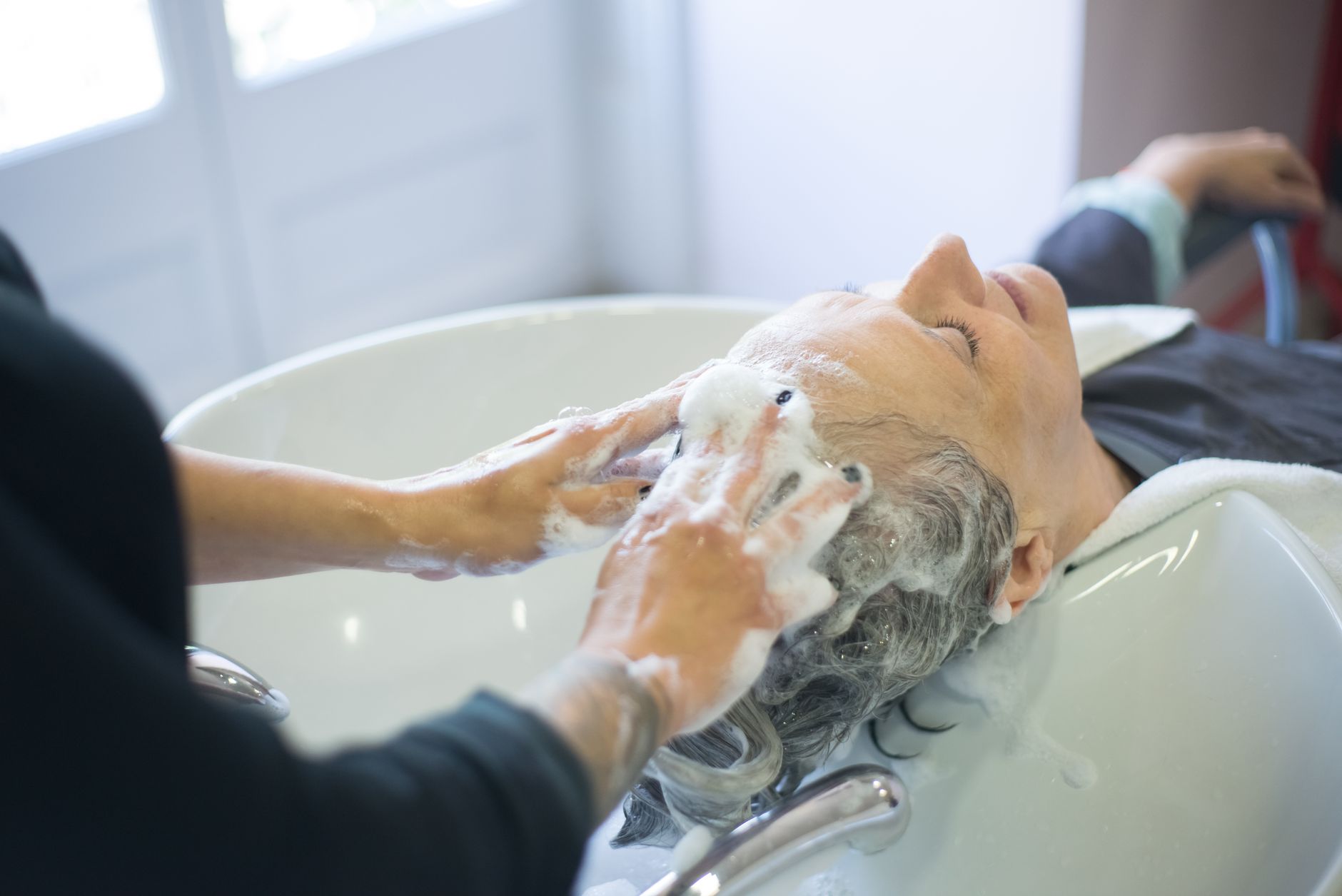
- Gentle Massaging: Using your fingertips, gently massage your scalp to relieve tension and improve circulation.
- Oil Treatments: Incorporating scalp oils such as coconut oil or jojoba oil during a massage can provide hydration and nourishment while also easing pain.
Choosing the Right Products
- Gentle Formulations: Look for sulfate-free shampoos and conditioners with soothing ingredients to minimize irritation.
- Avoid Irritating Ingredients: Stay away from products with fragrance, alcohol, or harsh chemicals that can exacerbate sensitivity.
Heat Therapy
- Warm Compresses: Applying a warm compress to the scalp can help soothe tight muscles and alleviate pain.
- Hot Oil Treatments: Use warm oils to provide additional comfort and relaxation for the scalp and hair.
Maintain a Healthy Scalp Environment
- Regular Cleansing: Maintain a regular washing schedule to keep your scalp clean and free from buildup, which can lead to irritation.
- Exfoliation: Gently exfoliate the scalp occasionally to remove dead skin cells and enhance circulation.
Consult a Professional
- Dermatologist Visit: If symptoms persist, consider consulting a dermatologist to rule out underlying conditions.
- Trichologist Consultation: Trichologists specialize in hair and scalp issues, providing valuable insights and tailored recommendations.
Long-Term Scalp Care Tips
In addition to immediate relief strategies, it’s beneficial to adopt a holistic approach to scalp care. Here are some long-term practices to consider:
Hydration and Nutrition
- Stay Hydrated: Drinking enough water aids skin health, including the scalp.
- Nourishing Foods: Incorporate foods rich in vitamins and fatty acids, such as avocados, nuts, and leafy greens, to support hair and scalp health.
Stress Management Strategies
- Mindfulness and Relaxation: Engage in mindfulness practices like deep breathing, yoga, or meditation to help reduce stress tension.
- Regular Exercise: Physical activity can relieve stress and tension while promoting overall well-being.
Avoid Excessive Heat and Chemical Treatments
- Minimize Heat Use: Limit the use of heat styling tools, and always apply heat protectant products when necessary.
- Caution with Chemical Treatments: Be aware of the potential effects of hair dyes and chemical processes on scalp health.
Common Mistakes to Avoid
While managing scalp pain, it’s crucial to avoid common pitfalls that can exacerbate the issue. Here are several mistakes to watch out for:
- Ignoring Symptoms: It’s tempting to dismiss scalp pain, but ongoing discomfort may indicate an underlying issue that needs attention.
- Overusing Products: Using too many products in an attempt to manage pain can lead to buildup and increased sensitivity.
- Neglecting Scalp Hygiene: Failing to keep the scalp clean can worsen irritation and contribute to pain.
Conclusion
Understanding why your scalp hurts when moving your hair is essential for finding effective solutions. By identifying potential causes—from tension and hairstyles to skincare habits—you can implement strategies to relieve discomfort and promote scalp health. Prioritize gentle hair care products, stress management techniques, and regular scalp maintenance to foster a healthier environment for your hair.
For immediate relief, consider simple methods like scalp massages or warm compresses, and consult a professional if pain persists. Remember, taking an inclusive approach to your beauty routine means considering not only what products you use but also how you treat your body and mind.
For further insights on scalp care, check out our guides on how to moisturize your scalp and why your scalp might itch to enhance your understanding of scalp health.