
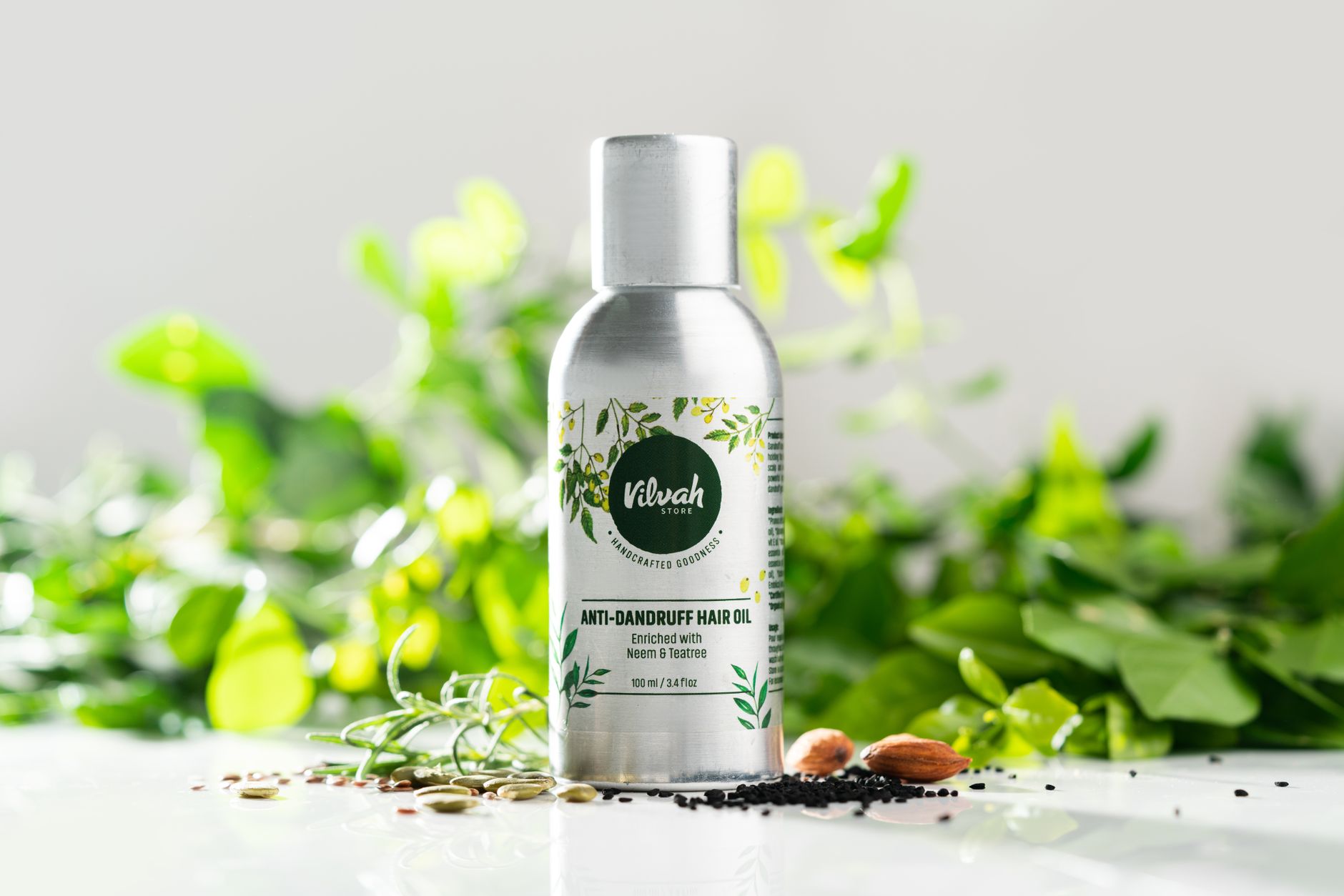
Dandruff is a common scalp condition characterized by flaking and itching. While it may seem like a minor issue, many wonder if it has more serious implications for hair health, particularly whether dandruff can lead to hair loss. This article will explore the connection between dandruff and hair loss, understand the causes of dandruff, its risks, benefits of addressing the issue, and practical tips for managing both dandruff and hair health.
Understanding if dandruff can cause hair loss helps identify effective scalp care routines. Let’s delve into the factors at play and discover how to maintain a healthy scalp for vibrant hair.
Can Dandruff Cause Hair Loss?
Yes, dandruff can lead to hair loss, but the connection varies based on several factors. While dandruff itself does not directly cause hair loss, the irritation and inflammation it brings can weaken hair follicles, potentially resulting in hair thinning or shedding over time.
Understanding Dandruff
To grasp the link between dandruff and hair loss, it’s vital to understand what dandruff is and its causes. Dandruff arises from the scalp’s overproduction of skin cells, leading to flaking and irritation. Factors that can contribute to dandruff include:
- Dry Skin: A lack of moisture can lead to a flaky scalp.
- Oily Skin: Excess oil can cause yeast buildup, another common cause of dandruff.
- Yeast Overgrowth: An overproduction of Malassezia yeast can irritate the scalp.
- Skin Conditions: Issues such as psoriasis and eczema can also lead to dandruff-like flakes.
- Product Buildup: Hair products that are not adequately washed off can lead to irritation and flaking.
- Dietary Deficiencies: A lack of certain nutrients may contribute to scalp issues.
How Dandruff Affects Hair Growth
The relationship between dandruff and hair loss primarily revolves around scalp health. Here are some key points to consider:
- Inflammation: Dandruff can cause scalp inflammation, leading to an environment unsuitable for healthy hair growth.
- Scratching: The itchiness associated with dandruff may prompt scratching, which can physically damage hair follicles.
- Disruption of Follicles: Persistent irritation due to dandruff can disrupt the hair growth cycle, leading to conditions like telogen effluvium, where hair sheds prematurely.
The Risks of Leaving Dandruff Untreated
Neglecting dandruff can exacerbate the issue and may lead to additional risks:
- Increased Flaking: Unmanaged dandruff can worsen, leading to noticeable flakes and embarrassing situations.
- Scalp Infections: Scratching and irritation can cause sores, which may become infected.
- Social and Psychological Impact: Dandruff can affect confidence and social interactions, leading to anxiety about appearance.
Benefits of Managing Dandruff
Taking steps to control dandruff can provide several benefits that extend beyond just scalp health:
- Improved Scalp Condition: Regular management of dandruff can lead to a healthier scalp ecosystem.
- Reduced Hair Loss: Maintaining scalp health helps minimize the risk of hair loss.
- Enhanced Hair Growth: A healthy scalp creates optimal conditions for hair growth.
- Boosted Confidence: If dandruff is under control, individuals may feel more confident and relaxed in social settings.
Tips for Managing Dandruff and Hair Health
Here are practical tips for addressing dandruff and maintaining healthy hair:
- Choose the Right Shampoo: Look for shampoos specifically formulated to combat dandruff. Ingredients like zinc pyrithione, ketoconazole, and salicylic acid can help reduce flaky skin and inflammation.
- Regular Shampooing: Consistency is crucial. Aim to wash your hair regularly to keep the scalp clean.
- Follow Product Directions: Whether using medicated shampoos or regular ones, always adhere to the product instructions for the best results.
- Moisturize Your Scalp: Incorporate scalp moisturizing treatments to keep the skin hydrated. Consider using natural oils such as tea tree oil or coconut oil, which have antifungal properties and provide moisture.
- Maintain a Healthy Diet: Eating a balanced diet rich in vitamins and minerals can help improve scalp health. Focus on including essential nutrients like omega-3 fatty acids, zinc, and vitamins B and E.
- Reduce Stress: Stress can exacerbate dandruff, so consider stress-reduction techniques such as yoga, meditation, or exercise.
- Avoid Irritating Hair Products: Limit the use of hair products with harsh chemicals, fragrances, or alcohol. Choose gentle, fragrance-free alternatives.
- Consult a Professional: If dandruff persists or worsens despite at-home treatments, seeking advice from a healthcare professional or dermatologist is recommended.
Common Mistakes to Avoid
While managing dandruff, it’s important to avoid common pitfalls that can hinder progress:
- Overwashing: Washing hair too frequently can strip away natural oils, leading to dryness and irritation.
- Ignoring the Scalp: Focusing solely on hair strands can overlook scalp health, which is equally important.
- Using Multiple Treatments: Switching between numerous products at once can lead to confusion about what works best for your scalp.
Realistic Expectations
Managing dandruff effectively can promote a healthier scalp and minimize the risk of hair loss. However, it’s essential to set realistic expectations regarding time frames:
- Results may vary based on the severity of dandruff and individual scalp conditions.
- Regular maintenance and a combination of treatments may be necessary for lasting results.
- Patience is key; significant improvements may take several weeks to notice.
Addressing Specific Types of Dandruff
Not all dandruff is the same. There are generally two types of dandruff: dry scalp and oily scalp dandruff. Here’s how to manage each:
Dry Scalp Dandruff
Dry scalp dandruff is usually characterized by small, white flakes and itchiness. To manage this condition:
- Use moisturizing shampoos and conditioners that don’t strip natural oils.
- Incorporate leave-in conditioners or scalp oils for additional hydration.
Oily Scalp Dandruff
Oily scalp dandruff appears as larger flakes caused by excess oil and yeast growth. To address it:
- Choose anti-dandruff shampoos containing ingredients like salicylic acid to remove excess oil.
- Ensure thorough rinsing to prevent product buildup, which can exacerbate oiliness.
When to Seek Professional Help
If dandruff persists or worsens despite following a tailored treatment plan, it may be time to consult a healthcare professional. Signs that warrant a visit include:
- Severe itching or discomfort that affects daily life.
- Flakes accompanied by redness or swelling.
- Signs of secondary infections, such as pus or crusting.
Final Thoughts
Understanding the connection between dandruff and hair loss helps in crafting a beneficial hair care routine. While dandruff can lead to hair thinning if left untreated, proactive management promotes scalp health and can protect against hair loss. Incorporating regular cleansing, moisturizing treatments, and a balanced diet can make a significant difference. By following proper hair care principles, individuals can enjoy healthier hair and confidence.
For further reading, check out guides on why dandruff causes hair loss and how to moisturize your scalp for more tips on maintaining a healthy scalp and hair.