
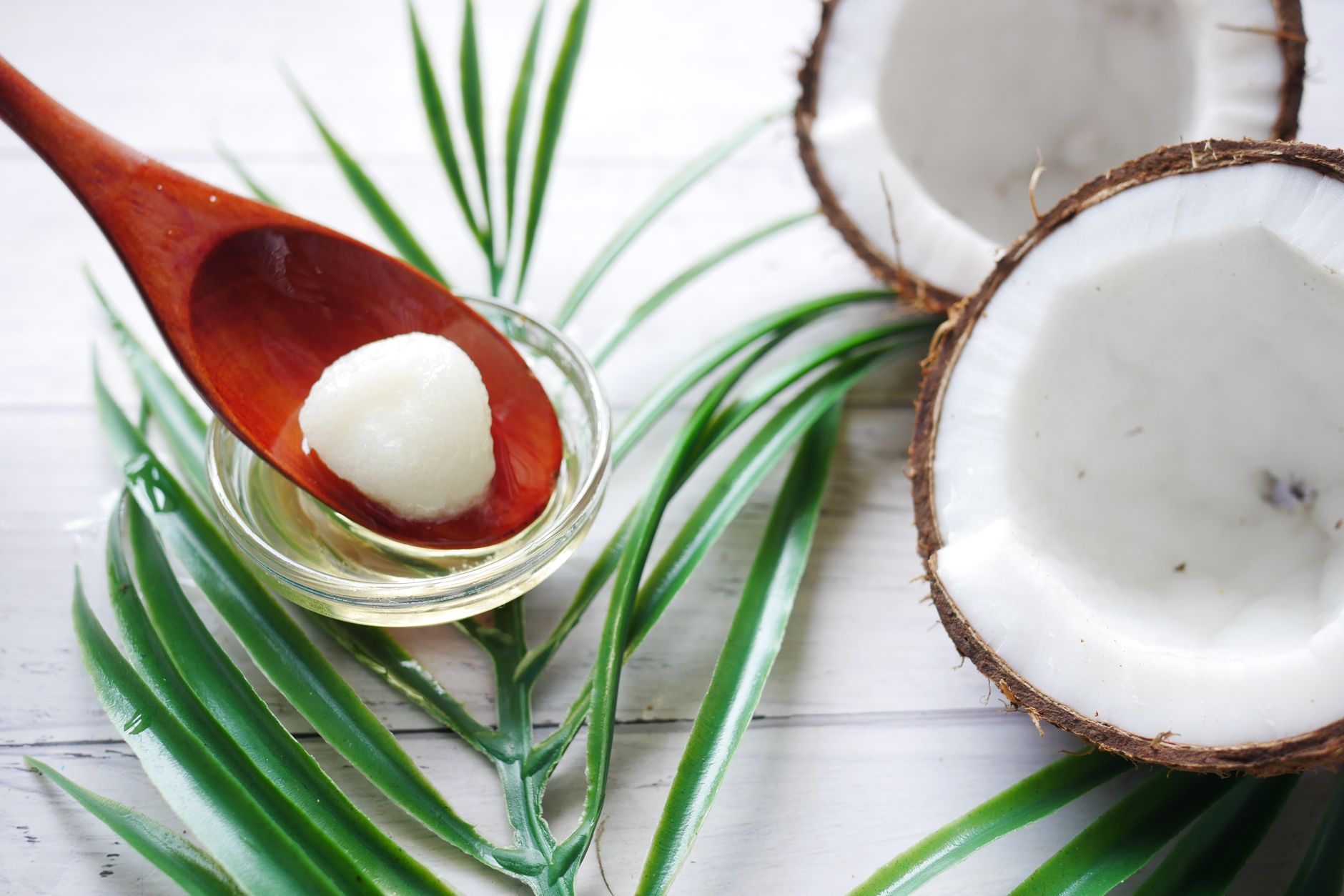
Coconut oil has gained popularity as a go-to natural remedy for many beauty concerns, particularly hair care. This tropical oil is praised for its nourishing properties and versatility, but does it truly deliver on all the claims? In this article, we will explore the benefits, risks, and best uses of coconut oil for hair.
Coconut oil is a rich source of nutrients and fatty acids, making it a popular choice for those looking to enhance the health and appearance of their hair. In addition to its moisturizing properties, it also boasts antibacterial and antifungal benefits, which can help maintain a healthy scalp and overall hair quality.
Is Coconut Oil Good for Your Hair?
Yes, coconut oil can be very beneficial for your hair, offering moisturizing, conditioning, and protective properties. While it may not work for everyone, many people find it helps improve their hair’s texture, shine, and strength.
Benefits of Coconut Oil for Hair
Coconut oil offers several advantages for hair care, including:
- Moisturizes and Nourishes: The fatty acids in coconut oil penetrate the hair shaft, providing deep hydration and nourishment, making it particularly beneficial for dry, damaged, or coarse hair.
- Reduces Protein Loss: Coconut oil can help reduce protein loss in hair, especially when used before or after washing. This protection is crucial for maintaining hair strength and minimizing damage from heat or styling products.
- Improves Scalp Health: Coconut oil has antimicrobial properties that can fight off bacteria and fungi on the scalp. This can help prevent dandruff and other scalp conditions, promoting overall scalp health.
- Adds Shine: Regular application of coconut oil can enhance the natural shine of hair, making it appear healthier and more vibrant.
- Reduces Frizz: The moisturizing effects of coconut oil can help tame frizz and flyaways, particularly in humid conditions.
- Natural UV Protection: While it’s not a substitute for sunscreen, coconut oil can provide a degree of UV protection for your hair, helping to shield it from sun damage.
Risks and Considerations
Despite its numerous benefits, coconut oil may not be suitable for everyone. Here are some potential drawbacks to consider:
- Heavy Consistency: Coconut oil is a heavier oil and may weigh down fine or oily hair types. Users with such hair types may need to use it sparingly or opt for lighter alternatives.
- Build-Up: Overusing coconut oil can lead to product build-up on the hair, which may require clarifying shampoos to remove. It’s essential to find a balance in how often you use it.
- Allergic Reactions: Some individuals may be allergic to coconut oil. Always conduct a patch test before applying it to your hair or scalp to avoid adverse reactions.
How to Use Coconut Oil for Hair
There are several methods to incorporate coconut oil into your hair care routine, depending on your hair type, needs, and preferences. Here are some popular uses:
1. Coconut Oil as a Pre-Wash Treatment
- Start with dry hair before washing.
- Warm a small amount of coconut oil in your hands and apply it evenly from mid-lengths to the ends.
- Leave it on for at least 30 minutes or overnight for deeper conditioning.
- Wash your hair with a gentle shampoo and follow up with conditioner.
2. Coconut Oil as a Conditioner
- After shampooing, apply a small amount of coconut oil to damp hair.
- Focus on the ends, avoiding the roots if your hair is fine or oily.
- Leave it on for a few minutes before rinsing thoroughly. This treatment can add shine and hydration.
3. Coconut Oil as a Styling Product
- Use a tiny amount of coconut oil on your palms and rub them together.
- Apply it lightly to the ends of your hair to tame frizz and add shine.
- Be cautious not to overapply, as this can weigh your hair down.
4. Coconut Oil for Scalp Health
- Warm coconut oil and apply it directly to your scalp using your fingertips.
- Massage gently to promote circulation and relaxation.
- Leave it on for at least 30 minutes or overnight, then wash your hair as usual.
5. Coconut Oil for Dandruff Control
- Mix equal parts coconut oil and tea tree oil, known for its antifungal properties.
- Apply to your scalp and let it sit for 30 minutes before shampooing.
- This mixture can help combat dandruff while nourishing your scalp.
How to Select Coconut Oil for Hair Care
When choosing coconut oil for your hair, consider the following points:
- Type: Look for virgin or extra-virgin coconut oil, which is minimally processed and retains the most nutrients.
- Organic Certification: Organic coconut oil is free from pesticides and chemicals, making it a healthier choice for your hair.
- Packaging: Opt for glass jars to avoid potential leaching from plastic containers. Glass also preserves the oil’s quality better.
Realistic Expectations
While coconut oil has its merits, it’s essential to maintain realistic expectations. Results may vary based on your hair type, condition, and concerns. Some individuals may experience noticeable improvements in texture and hydration, while others may not see significant changes. Consistency is key, but it may take time to see the benefits.
Common Mistakes to Avoid
Using Too Much Product
Applying excessive coconut oil can lead to greasy and weighed-down hair. Start with a small amount and gradually increase as necessary.
Skipping the Patch Test
Always conduct a patch test on your wrist or behind your ear before applying coconut oil to ensure you don’t have an adverse reaction.
Neglecting Heat Styling Precautions
While coconut oil offers some heat protection, it’s still crucial to use a heat protectant when applying heat to your hair.
Alternative Oils for Hair Care
If you find that coconut oil does not work for your hair, there are several alternative oils worth considering:
- Argan Oil: Rich in vitamin E and fatty acids, argan oil is lightweight and excellent for moisturizing and protecting hair from damage.
- Olive Oil: Known for its deep conditioning properties, olive oil is perfect for dry and damaged hair types.
- Jojoba Oil: Similar in composition to natural scalp oils, jojoba oil is great for those with oily hair or scalp issues.
- Almond Oil: Packed with vitamins, almond oil promotes healthy hair growth and adds shine.
Best Practices for Hair Care Using Oils
For the best results when using coconut oil or other oils in your hair care routine, consider these practices:
- Consistency: Incorporate oil treatments regularly into your routine, but tailor the frequency to your hair type and needs.
- Layering Products: Use oils in conjunction with other hair care products like shampoos, conditioners, and styling products for maximum benefits.
- Hydration: Drink plenty of water and maintain a balanced diet to support overall hair health from the inside out.
- Gentle Handling: Limit heat styling and use gentle detangling techniques to minimize breakage.
Conclusion
Coconut oil can be a wonderful addition to your hair care routine, offering numerous benefits such as hydration, protection, and improved scalp health. However, it’s important to consider your hair type and to be aware of potential risks. With the right approach, coconut oil can help you achieve healthier, more beautiful hair.
For an effective hair care routine and tips on managing frizzy hair or exploring hair growth options with rosemary oil, check out our guides on fixing frizzy hair and using rosemary oil for hair growth.