
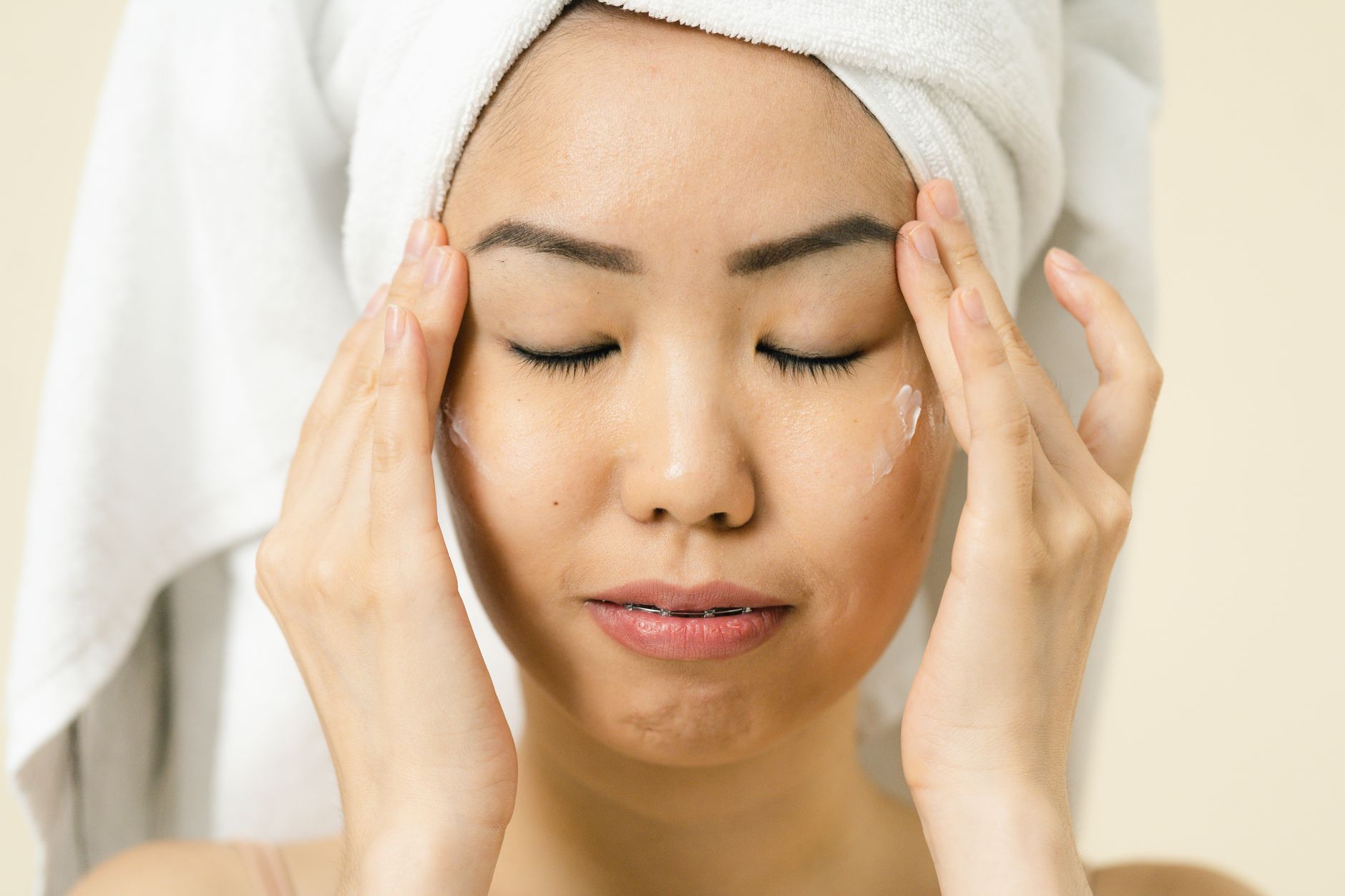
Eye bags can be a stubborn and common concern for many individuals, often giving a fatigued appearance regardless of how well-rested you feel. While there are myriad temporary solutions available, the quest for permanent removal of eye bags often leads to inquiries about effective treatment options. In this guide, we will explore various methods to reduce or eliminate eye bags, from lifestyle changes to professional treatments.
Understanding the causes of eye bags is essential in determining the most effective treatment for your needs. Factors like age, genetics, sleep patterns, and even hydration levels can contribute to this condition. Let’s delve into how you can tackle this issue comprehensively.
How to Remove Eye Bags Permanently?
To remove eye bags permanently, several treatment options are available, including lifestyle adjustments, at-home remedies, cosmetic treatments, and surgical solutions. Each option has its pros and cons, catering to different needs and lifestyle preferences.
Understanding Eye Bags
Before exploring treatment options, it’s vital to understand what causes eye bags. Eye bags are predominantly due to a combination of factors:
- Age: Skin loses collagen and elasticity with age, leading to sagging.
- Genetics: A family history of under-eye bags can predispose you to develop them.
- Poor Sleep Quality: Lack of adequate rest can lead to puffiness and dark circles.
- Fluid Retention: High salt intake or hormonal changes can cause fluid retention in the area.
- Allergies: Allergic reactions can lead to swelling and inflammation.
Lifestyle Changes and Home Remedies
A sustainable approach to managing eye bags often starts with lifestyle changes. Here are some practical steps you can take:
1. Improve Sleep Quality
Ensuring you get adequate and quality sleep can greatly reduce the appearance of eye bags. Aim for 7 to 9 hours of sleep each night. Here are some tips:
- Establish a regular sleep schedule by going to bed and waking up at the same time daily.
- Create a calming bedtime routine to wind down.
- Invest in a comfortable pillow to elevate your head while sleeping, which may help reduce fluid accumulation.
2. Stay Hydrated
Keeping well-hydrated is crucial for skin health. Drink plenty of water throughout the day to help reduce puffiness:
- Aim for at least 8 glasses of water a day.
- Limit your intake of alcohol and caffeine, as they can lead to dehydration.
3. Adjust Your Diet
Your diet plays a significant role in skin health. Incorporate foods rich in antioxidants and vitamins:
- Include fruits and vegetables, especially those high in vitamin C.
- Reduce salty food intake to minimize fluid retention.
- Integrate omega-3 fatty acids found in fish and nuts to support skin health.
4. Use Cold Compresses
Applying cold compresses can temporarily reduce the appearance of bags under your eyes:
- Use chilled spoons, cucumber slices, or chilled tea bags and place them over your eyes for about 10 minutes.
- Alternatively, you can soak a clean cloth in cold water and hold it against your closed eyelids.
5. Manage Allergies
If allergies contribute to your eye bags, consider the following:
- Consult with a healthcare professional for allergy testing and treatment options.
- Stay away from allergens and follow recommended treatment plans such as antihistamines.
Skincare Products to Reduce Eye Bags
In addition to lifestyle changes, certain skincare products can help minimize the appearance of eye bags. Here’s what to look for:
1. Eye Creams
Specialized eye creams often contain active ingredients aimed at combating puffiness:
- Caffeine: Helps to constrict blood vessels and reduce swelling.
- Peptides: Support collagen production and improve skin elasticity.
- Retinol: Promotes skin renewal but should be used cautiously due to potential irritation.
2. Hydrating Ingredients
Look for products containing these hydrating ingredients:
- Hyaluronic Acid: Attracts moisture and plumps the skin.
- Niacinamide: Provides hydration and improves skin tone.
3. Antioxidants
Antioxidants help fight free radicals and can improve overall skin quality:
- Vitamin C: Brightens the skin and can diminish dark circles.
- Green Tea Extract: Soothes skin and reduces inflammation.
Non-Surgical Treatments
If home remedies and skincare products do not yield satisfactory results, consider professional non-surgical treatments. Here are some options:
1. Dermal Fillers
Dermal fillers can be injected under the eyes to restore volume and reduce the appearance of bags:
- Results can last from 6 months to over a year, depending on the filler used.
- Consult a qualified professional to understand potential side effects.
2. Chemical Peels
Chemical peels involve applying a solution to the skin to remove damaged layers, improving texture:
- Light peels can help improve under-eye texture without significant downtime.
- Consult a professional to determine the best type of peel for your skin type.
3. Laser Treatments
Laser technology can help tighten skin and reduce pigmentation:
- Commonly used lasers for the under-eye area include fractional lasers and CO2 lasers.
- Consult with a laser specialist to discuss the recovery period and expected results.
4. Radiofrequency Treatments
This treatment uses radiofrequency to stimulate collagen and tighten skin:
- It often requires multiple sessions for optimal results.
- The downtime is minimal, making it suitable for those with busy schedules.
Surgical Options
For more permanent solutions, surgical options may be considered. These procedures typically offer long-lasting results:
1. Blepharoplasty (Eyelid Surgery)
Blepharoplasty is a surgical procedure designed to remove excess skin and fat from the eyelids:
- It can help create a smoother, more youthful appearance.
- Consider recovery time, as swelling may take several weeks to fully subside.
2. Fat Transfer
This involves transferring fat from another part of your body to the under-eye area:
- It provides volume and can last for years.
- Recovery may involve some swelling but is generally manageable.
Understanding Expectations and Risks
Regardless of the method you choose, it’s important to set realistic expectations. Permanent removal of eye bags may not be feasible for everyone due to genetic factors and individual skin characteristics.
Additionally, all treatments come with certain risks and potential side effects. Always consult with a qualified healthcare professional before undergoing any significant procedures, whether surgical or non-surgical, to understand the risks and benefits involved.
Common Mistakes to Avoid
As you navigate your journey to reduce eye bags, be mindful of these common mistakes:
- Overusing products with retinol or acids, which can irritate the delicate eye area.
- Neglecting sun protection, which can worsen skin elasticity.
- Skipping hydration, believing it won’t impact under-eye appearance.
Final Thoughts
Removing eye bags permanently involves understanding the various factors contributing to their appearance and choosing the right approach based on your lifestyle, preferences, and skin type. While holistic methods and skincare products can help, professional treatments including non-invasive and surgical options can provide more definitive results.
Your first step is to assess which combination of treatments aligns with your skincare goals. Consulting with a skincare specialist or a licensed professional can guide you toward the best course of action tailored to your unique needs. Remember, patience and consistency are key to achieving your desired results.
To learn more about enhancing your appearance, discover tips on facial debloating or delve into the benefits of Botox for a more youthful look through our guides on debloating your face and the wonders of Botox.