
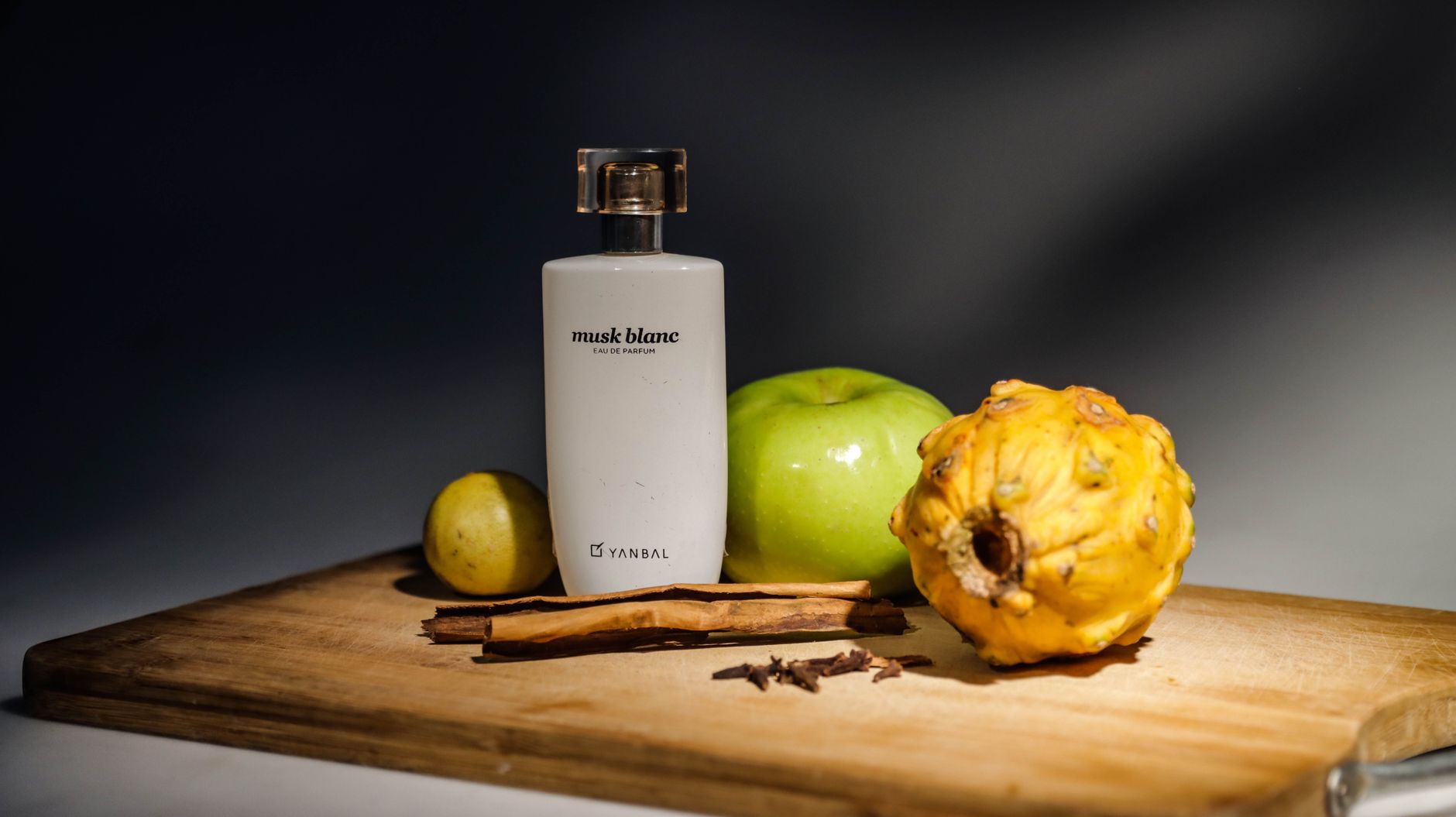
Musk has long been a captivating scent note that has captivated the world of fragrance and beauty. With its rich, warm, and multifaceted aroma, musk is often associated with sensuality and depth in perfumery. In this article, we will explore what musk is, its origins, how it’s used in perfumes, and the various scent notes that pair beautifully with it.
Whether you’re a perfume enthusiast or someone who is simply curious about various scents, understanding musk can enhance your appreciation for fragrance. Let’s dive into the intriguing world of musk!
What Is Musk?
Musk is both a scent and a term that describes its source. Originally derived from the glandular secretions of the male musk deer, the term “musk” today refers to a class of aromatic compounds used in a variety of perfumes. These compounds can be natural or synthetic and are known for their deep, animalistic undertones.
The traditional musk scent is characterized by heavy, sweet, and sometimes earthy notes. Over time, the use of natural musk has been largely replaced by synthetic alternatives due to ethical concerns, leading to a diverse range of musk fragrances that maintain the original’s warmth and complexity.
Origins of Musk
The history of musk dates back centuries, with its use recorded in ancient civilizations including Egypt, India, and Persia. Musk was highly prized and often used in traditional medicine, perfumery, and rituals. It was commonly believed to possess aphrodisiac qualities and was used in love potions.
Historically, musk was harvested from the musk glands of male musk deer found primarily in the Himalayas. However, the hunting of these deer has led to drastic declines in their populations, prompting conservation efforts and regulatory measures that have rendered the use of natural musk ethically and legally problematic.
Modern perfumery often relies on synthetic musk compounds, which can mimic the complexity of natural musk without harming animals. Some popular synthetic musks include muscone and ambrettolide, which provide a similar aromatic profile.
Scent Notes Associated with Musk
Musk is incredibly versatile and can evoke a variety of olfactory experiences. Here are some common scent notes that beautifully complement musk:
- Floral Notes: Jasmine, rose, and tuberose often provide a lush, romantic quality when paired with musk.
- Woody Notes: Cedarwood, sandalwood, and vetiver can add depth and richness to musk-heavy fragrances.
- Spicy Notes: Warm spices like cinnamon and cardamom can enhance musk’s inviting characteristics.
- Fresh Notes: Citrus and green notes provide a bright contrast to musk’s heavy aroma, balancing the overall scent.
- Fruity Notes: Peach, raspberry, and pear are often used to add a sweet and playful twist to musk perfumes.
Perfume Uses of Musk
Musk is a beloved ingredient in many kinds of fragrances, from light florals to rich orientals. Below are some common uses of musk in perfumery:
1. Base Notes
In many perfumes, musk serves as a base note, providing depth and lasting power to scents. Base notes are the lingering scents that develop as a fragrance settles on the skin, and musk helps to anchor top and middle notes for a more balanced experience.
2. Fixative Properties
Musk is often utilized for its fixative properties, which help to prolong the lifespan of other fragrance notes. By stabilizing lighter notes, musk ensures that a perfume remains vibrant throughout its wear time.
3. Sensuality and Warmth
Musk adds an inviting, warm quality to fragrances, making them feel richer and more layered. This characteristic is one of the reasons why musk is often associated with sensuality and allure.
4. Layering in Fragrance
Musk can be found in various fragrance families and is often used in layered scents. Many fragrance enthusiasts enjoy layering musk-based perfumes for a more personalized scent experience.
Choosing the Right Musk Perfume for You
When selecting a musk fragrance, it’s essential to consider personal preferences, skin chemistry, and the occasion. Here are some practical tips to guide your decision:
- Understand Your Scent Preferences: Are you drawn to floral, woody, spicy, or fresh scents? Knowing your preferences can help narrow down your search for a musk perfume.
- Consider the Season: Different musk fragrances may suit different seasons—for example, lighter, fresher musk scents may be more suitable for spring and summer, while deeper musks can be perfect for fall and winter.
- Try Before You Buy: Always test perfumes on your skin to see how they interact with your body chemistry. A fragrance may smell different on your skin than in the bottle.
- Check the Concentration: Perfumes come in various concentrations (eau de toilette, eau de parfum, etc.). The concentration can affect the longevity and intensity of the musk scent.
- Experiment with Layering: Don’t hesitate to layer different musk fragrances or combine them with other scents you love to create a unique signature fragrance.
Common Misconceptions About Musk
When discussing musk, there are several misconceptions that should be addressed:
- Musk Is Only Animal-Based: Many people associate musk strictly with animal secretions. While traditional musk comes from animals, most modern formulations use synthetic alternatives.
- Musk Is Always Strong or Overwhelming: Musk can be subtle or bold, depending on its concentration and the other notes it’s blended with. Some musk scents can be very light and airy.
- All Musk Scented Products Smell the Same: There are many types of musk, and each one offers a different profile. From sweet and floral to deep and earthy, the range of musk scents is diverse.
Tips for Wearing Musk Perfumes
To make the most of your musk fragrances, keep these tips in mind:
1. Apply to Pulse Points
For optimal fragrance longevity, apply musk perfume to pulse points such as the wrists, neck, behind the ears, and inside elbows. Body heat helps to diffuse and amplify the scent.
2. Layer with Matching Body Products
To enhance the Musk scent profile, consider using complementary shower gels, lotions, or body oils that share similar musk notes. This will create a more cohesive scent experience.
3. Be Mindful of Application Amount
Less is often more with musk fragrances. Start with a small amount, and you can always add more if needed. Be cautious of heavy application, especially in close spaces.
4. Experiment with Different Scents
Don’t hesitate to explore various musk-based perfumes to find what resonates with your personal style. This includes trying niche perfumes or artisan brands that focus on unique aromatic profiles.
Musk in Skincare and Beauty Products
While musk is primarily recognized for its role in perfumery, it has also found its place in various skincare and beauty products. Here’s how you may encounter musk in your beauty routine:
1. Fragrant Body Care
Musk is often incorporated into body lotions and body oils, providing not just hydration but also a lingering and captivating scent. These products are excellent for those who prefer to wear a more subtle fragrance throughout the day.
2. Candles and Home Fragrance
Beyond personal care, musk is popular in candles and home fragrance products, adding warmth and sensuality to your environment. These scents can create an inviting atmosphere in your home.
3. Scented Hair Products
Some hair care products, particularly leave-in conditioners and styling aids, feature musk as a scent. Wearing these products can provide a subtle musk aroma throughout the day.
4. Makeup Products
Musk can occasionally be found in blushes or bronzers to add a warm scent as part of the overall product experience. Look for complexion products that advertise an added fragrance for a more holistic sensory approach.
Common Mistakes When Using Musk
As you explore musk fragrances and products, here are some common mistakes to avoid:
- Not Testing Before Wearing: Skin chemistry can drastically alter how a perfume smells. Always test fragrances before committing to wear them for extended periods.
- Assuming One Type of Musk is for Everyone: Personal preference plays a huge role in fragrance. What works for one person may not work for another, so keep experimenting.
- Layering Too Many Scents: When layering scents, ensure they complement one another rather than clash. Start with one musk and add elements gradually.
- Storing Fragrances Improperly: Store your musk fragrances in cool, dry places away from sunlight to maintain their integrity and scent profile for as long as possible.
Choosing Synthetic vs. Natural Musk
When selecting a musk fragrance, you may come across options labeled as synthetic or natural. Here’s a closer look at both:
Natural Musk
Natural musk is derived from animal sources, mainly the musk deer, and is known for its complex scent profile. However, ethical and environmental concerns regarding animal welfare have led to a decline in its use.
Synthetic Musk
Synthetic musk, on the other hand, mimics the scent of natural musk without any harm to animals. Many of today’s musk fragrances are formulated using synthetic compounds, which can offer a wide range of profiles, from floral to earthy. When exploring options, be sure to check product labels for clarity on the musk type.
Conclusion
Musk remains an influential note in the beauty industry, enriching the world of fragrance and personal care products with its sensual, warm, and inviting characteristics. Understanding how to choose, wear, and enjoy musk can lead to a more satisfying fragrance experience.
As you explore the captivating world of scents, consider researching related topics such as oud with our guide on What is Oud and learn about other fragrance notes like patchouli in What Does Patchouli Smell Like.