
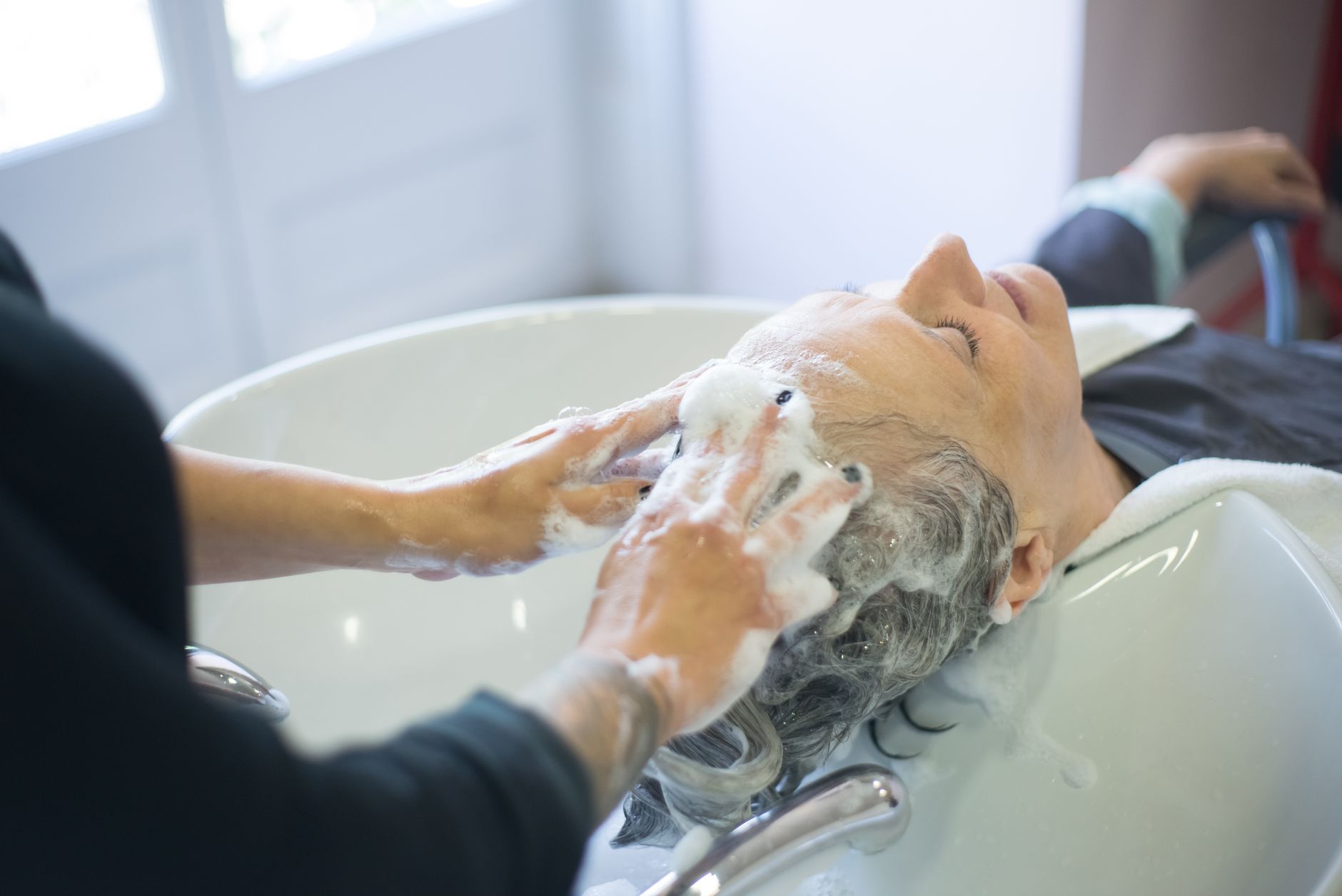
Many people experience discomfort in their hair or scalp, often wondering, “Why does my hair hurt?” This unusual sensation can stem from various sources, ranging from tension and hairstyles to health concerns and scalp conditions. Understanding the possible causes and how to alleviate them can help restore comfort and maintain your hair’s health.
This guide will delve into the reasons your hair might hurt and offer practical relief tips tailored to your needs. We’ll cover the role of hair texture and styling habits while ensuring the information is accessible for everyone.
Why Does My Hair Hurt?
Hair pain can be caused by a range of factors, including physical tension, improper hair care, scalp conditions, and even certain health issues. The discomfort might manifest as a sensitive scalp, aching strands, or overall discomfort. Identifying the cause is the first step in finding effective relief.
Common Causes of Hair Pain
Understanding the various factors that can lead to hair pain is essential for addressing the issue. Below are some of the most common causes.
Tight Hairstyles
One primary cause of hair pain is the use of tight hairstyles such as ponytails, braids, or buns. When hair is pulled tightly, it can cause strain on the hair follicles and lead to discomfort. This condition, often referred to as traction alopecia, can result in hair loss if the tension persists.
Scalp Sensitivity
Individuals with sensitive scalps may experience pain or tenderness even without tight hairstyles. Factors like environmental changes, product build-up, or skin conditions can exacerbate scalp sensitivity, leading to discomfort. Common conditions include:
- Dandruff
- Psoriasis
- Dermatitis
- Fungal infections
Product Build-Up
Using numerous styling products, such as gels, hairsprays, and serums, can lead to build-up on the scalp and hair. This may cause the hair to feel heavy or painful, resulting in sensitivity. Regular cleansing can help mitigate this issue.
Heat Damage
Frequent use of heat styling tools like flat irons, curling wands, or blow dryers can lead to hair damage and even discomfort. Over time, excessive heat can weaken the hair cuticle, resulting in breakage and tenderness along the hair shaft.
Allergic Reactions
Some individuals may have allergic reactions to specific hair products or ingredients. This reaction can cause inflammation and tenderness in the scalp and hair follicles. Common allergens include:
- Fragrances
- Preservatives
- Chemicals in dyes or relaxers
Health Conditions
Several health conditions can contribute to hair pain, including:
- Hormonal imbalances (such as those occurring during menstruation, pregnancy, or menopause)
- Stress and anxiety, which can lead to muscle tension in the scalp and neck
- Thyroid disorders
How to Relieve Hair Pain
Finding relief from hair pain often requires a combination of understanding the cause and taking appropriate steps. Here are some effective strategies to consider:
Reassess Your Hairstyling Techniques
Start by evaluating your hairstyles. Opt for looser styles that do not pull on the hair excessively. Consider alternatives like:
- Low ponytails
- Loose braids
- Soft updos
Remember to give your hair regular breaks from tight styles to prevent tension accumulation.
Gentle Cleansing and Conditioning
To combat product build-up and maintain a healthy scalp, use a gentle, sulfate-free shampoo and a hydrating conditioner. Ensure that you:
- Shampoo your hair regularly, focusing on the scalp to remove build-up.
- Use conditioner on the lengths of your hair while avoiding the roots to prevent greasy buildup.
- Consider using a clarifying shampoo once a month to effectively remove stubborn residues.
Use Heat Sparingly
Minimize the use of heat styling tools and opt for heat-free styling methods whenever possible. When you must use heat, use a heat protectant spray and keep tools at lower temperatures to prevent damage.
Incorporate Scalp Massages
Scalp massages can help increase blood flow and relieve tension in the scalp. To perform an effective scalp massage:
- Use your fingertips, not your nails, and apply gentle pressure.
- Work in small circular motions, covering the entire scalp.
- Consider using a nourishing oil, like coconut or jojoba oil, for added moisture.
Choose Products Wisely
Gradually introduce new hair care products and look for those formulated for sensitive scalps. Here are some guidelines to follow:
- Opt for hypoallergenic products with minimal fragrances and dyes.
- Perform a patch test before introducing a new product to your routine.
- Avoid products with a long list of chemicals, especially if you have a known sensitivity.
Seek Professional Help
If your hair pain persists despite trying various remedies, consult a healthcare professional. They can help determine if there are underlying health issues contributing to your discomfort. They may also recommend treatments specifically tailored to your needs.
Preventive Tips for Healthy Hair
While experiencing hair pain can be distressing, taking preventive measures can significantly reduce your chances of discomfort. Consider implementing these practices into your hair care routine:
Maintain a Balanced Diet
Eating a balanced diet rich in vitamins and minerals can contribute to healthier hair. Key nutrients include:
- Protein for hair structure
- Omega-3 fatty acids for scalp health
- Biotin for hair growth
Stay Hydrated
Proper hydration helps maintain healthy hair and scalp. Aim to drink plenty of water throughout the day to support overall hair health.
Avoid Overwashing
While it’s essential to cleanse your scalp, overwashing can strip natural oils, leading to dryness and irritation. Find a washing frequency that suits your hair type and stick to it.
Limit Chemical Treatments
Chemical processes like dyeing, perming, or relaxing can weaken hair strands. If possible, limit these treatments and allow your hair to recover by using restorative products in between.
Conclusion
Understanding why your hair hurts can help you identify the root cause and implement appropriate solutions. By adjusting your hairstyles, practicing gentler hair care methods, and being mindful of your health, you can resolve discomfort and promote overall hair health. Don’t hesitate to consult a professional if your pain persists, as they can help pinpoint any underlying issues.
For further reading on maintaining healthy hair and scalp, check out our guides on getting rid of dandruff and fixing frizzy hair.