
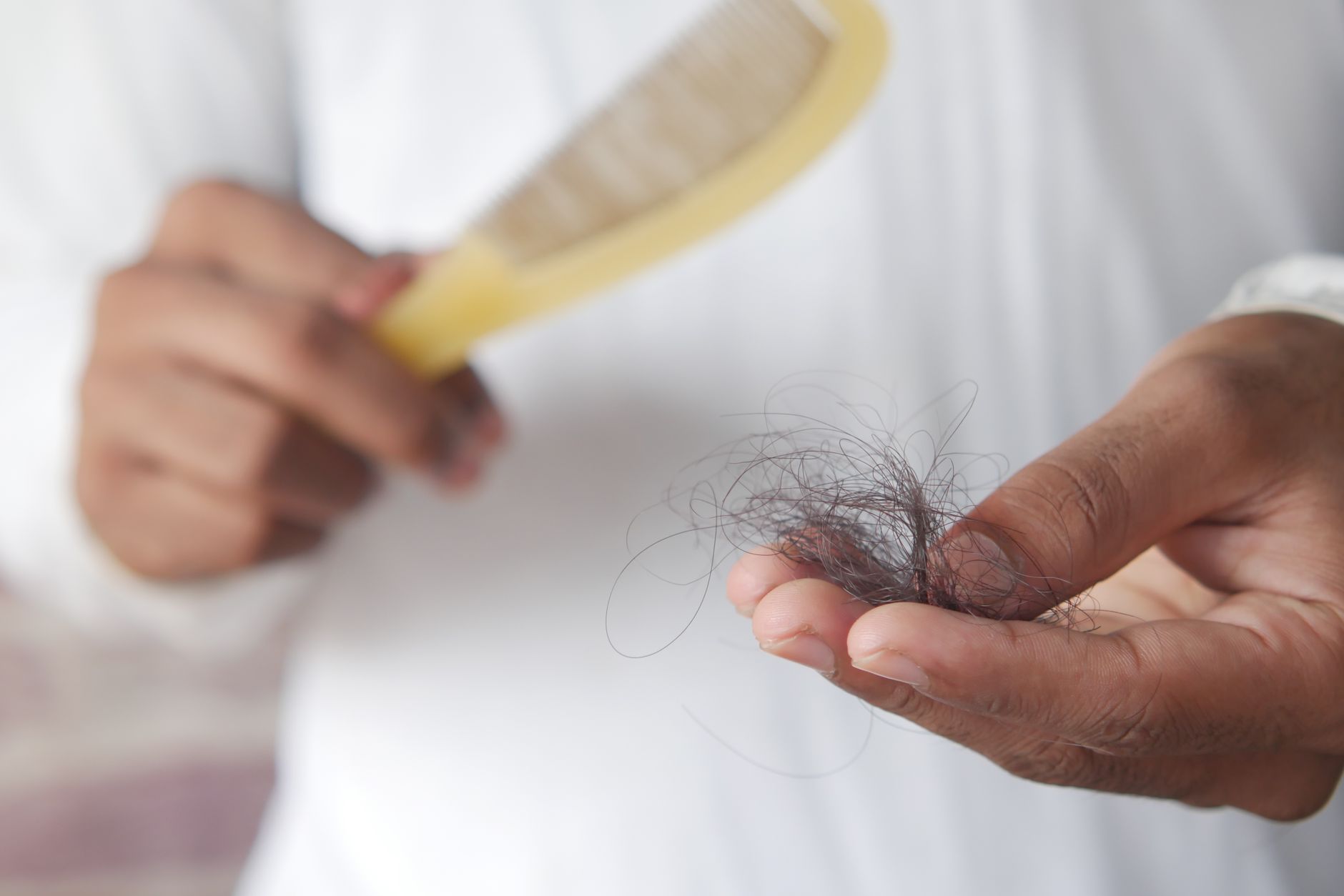
Thyroid hair loss is a common concern for many individuals grappling with thyroid dysfunction, particularly hypothyroidism or hyperthyroidism. When it comes to identifying thyroid-related hair loss, there are specific characteristics that set it apart from other types of hair loss. Understanding these signs can help you take the necessary steps toward managing your hair health.
This article will explore what thyroid hair loss looks like, delve into the underlying causes, discuss how it differs from other hair loss types, and provide practical tips to address the issue effectively.
What Does Thyroid Hair Loss Look Like?
Thyroid hair loss can manifest in various ways, often affecting the entire scalp rather than presenting in isolated patches. People with thyroid-related issues may notice a general thinning of hair, leading to a more diffuse pattern rather than the characteristic bald spots found in conditions like alopecia areata. This type of hair loss can be gradual and may also be accompanied by changes in the hair’s texture.
Typically, individuals may experience:
- Hair thinning across the scalp, resulting in a more transparent appearance
- Frizzier, drier, or more brittle hair that is prone to breakage
- Slower hair growth and increased shedding, particularly noticeable during brushing or washing
- A loss of volume and overall density, making hairstyles appear less full
Understanding Thyroid Function and Hair Health
The thyroid gland plays a crucial role in regulating metabolism, energy levels, and hormonal balance. When the thyroid is underactive (hypothyroidism) or overactive (hyperthyroidism), its impact on the body can lead to various symptoms, including hair loss.
Thyroid hormones, primarily thyroxine (T4) and triiodothyronine (T3), are essential for maintaining a normal hair growth cycle. Proper thyroid function supports hair follicle health and hair growth. When the thyroid is imbalanced, it can disrupt this cycle, potentially leading to hair loss.
How Hypothyroidism Affects Hair Loss
In cases of hypothyroidism, the body does not produce enough thyroid hormones. This deficiency can lead to hair becoming coarse, dry, and brittle, contributing to significant hair fall. Common symptoms of hypothyroidism include:
- Fatigue and weight gain
- Dry skin and brittle nails
- Cold intolerance
How Hyperthyroidism Affects Hair Loss
On the other hand, hyperthyroidism involves the production of excessive thyroid hormones, which can also result in hair loss. Hair may become fine and thin, and patients often report an overall decrease in hair density. Other signs of hyperthyroidism include:
- Unexplained weight loss
- Increased heart rate
- Anxiety and restlessness
Diagnosing Thyroid Hair Loss
If you suspect that your hair loss may be related to thyroid issues, it’s essential to consult a healthcare professional for a proper diagnosis. They may conduct a thyroid function test to evaluate your TSH (thyroid-stimulating hormone), T3, and T4 levels. Understanding your thyroid health is the first step towards addressing hair loss effectively.
Different Types of Hair Loss
It is essential to differentiate thyroid hair loss from other conditions that cause hair loss to determine the most effective treatment. Some of the common types of hair loss include:
Androgenetic Alopecia
Also known as male or female pattern baldness, androgenetic alopecia is hereditary and characterized by gradual thinning on the top of the head and widening of the part. Unlike thyroid-related hair loss, this type is more patterned and often has a genetic basis.
Alopecia Areata
Alopecia areata is an autoimmune condition that leads to sudden hair loss in patches. Unlike the diffuse thinning seen with thyroid hair loss, alopecia areata presents as distinct circular bald spots on the scalp and can also affect other areas of the body.
Telogen Effluvium
This condition occurs when a sudden stressor pushes hair follicles into a resting phase, causing hair to shed. Telogen effluvium can be triggered by various factors, including illness, hormonal changes, or significant stress. Unlike thyroid hair loss, it may resolve on its own once the triggering factor is addressed.
Managing Thyroid Hair Loss
Addressing hair loss due to thyroid conditions involves managing the root cause—your thyroid health. Here’s what you can do:
1. Consult a Healthcare Professional
Start by consulting an endocrinologist or healthcare provider specialized in thyroid conditions. They can diagnose your thyroid dysfunction and create a treatment plan tailored to your needs.
2. Thyroid Hormone Replacement Therapy
If diagnosed with hypothyroidism, your doctor may recommend thyroid hormone replacement therapy. This treatment aims to normalize hormone levels, potentially leading to improved hair health over time.
3. Nutrition and Supplements
A balanced diet is crucial for supporting thyroid health and overall hair growth. Key nutrients include:
- Protein: Important for hair structure; consider lean meats, fish, eggs, nuts, and legumes.
- Iron: A deficiency can worsen hair loss; include spinach, lentils, and meat in your diet.
- Omega-3 Fatty Acids: Promote scalp health; found in fatty fish, flaxseeds, and walnuts.
- Vitamins: Specifically, B vitamins (especially B12), vitamin D, and biotin may support hair health.
4. Haircare Techniques
Incorporating gentle haircare routines is essential for those experiencing hair loss. Here are some practical tips:
- Use a mild, sulfate-free shampoo to avoid stripping moisture from your hair.
- Limit heat exposure from styling tools like hair straighteners and curling irons.
- Be gentle when washing and brushing your hair to reduce breakage.
- Consider using leave-in conditioners and hair oils for added hydration and nourishment.
5. Stress Management
Managing stress is vital, as stress can exacerbate hair loss. Engage in activities that promote relaxation, such as yoga, meditation, or spending time outdoors. Regular physical activity can also uplift your mood and overall well-being.
What Products May Help with Thyroid-Related Hair Loss?
While products alone cannot cure thyroid hair loss, using the right formulations can support the hair and scalp during your treatment journey. Here are some categories to consider:
- Shampoos and Conditioners: Look for those fortified with biotin, keratin, or nourishing oils to promote scalp health.
- Hair Growth Serums: Formulations containing ingredients like minoxidil may stimulate hair follicles; consult a healthcare provider before use.
- Scalp Treatments: Products with essential oils like rosemary or peppermint may enhance scalp circulation.
Creating a Supportive Hair Care Routine
Building a consistent hair care routine can be beneficial in managing thyroid hair loss over time. Below is a simple guide to follow:
Morning Routine
- Gently shampoo your hair to remove excess oil and dirt.
- Apply a conditioner focusing on the ends to maintain hydration.
- Consider a leave-in conditioner for added moisture and protection.
- Style your hair as desired, avoiding excessive heat.
Evening Routine
- Brush your hair gently to remove any knots and distribute natural oils.
- Apply a nourishing oil or serum to the scalp and ends.
- Consider a weekly deep conditioning treatment for added nourishment.
Common Mistakes to Avoid
When managing hair loss related to thyroid issues, it’s essential to avoid these common mistakes:
- Skipping medical advice or ignoring thyroid symptoms can lead to further complications.
- Using harsh hair products that can strip moisture and damage hair.
- Over-styling or frequently using heat tools that worsen hair fragility.
Realistic Expectations
It’s essential to have realistic expectations when dealing with thyroid hair loss. Restoring hair health can be a gradual process. While some may notice improvements in hair condition once thyroid medications begin, others may take longer to see results. Patience is key.
When to Seek Additional Help
If you continue to experience significant hair loss or notice other concerning symptoms, consider consulting a dermatologist specializing in hair disorders. They can explore other potential causes and recommend suitable treatments.
Conclusion
Thyroid hair loss is a multifaceted issue that requires understanding and comprehensive management. By addressing underlying thyroid conditions, adopting a supportive hair care routine, and prioritizing overall wellness, you can take steps toward healthier hair. Remember that seeking professional guidance is crucial in effectively navigating this journey.
Explore related beauty guides, routines, or tutorials to enhance your understanding of scalp care and hair health, including dandruff’s impact on hair loss and hair regrowth techniques.