
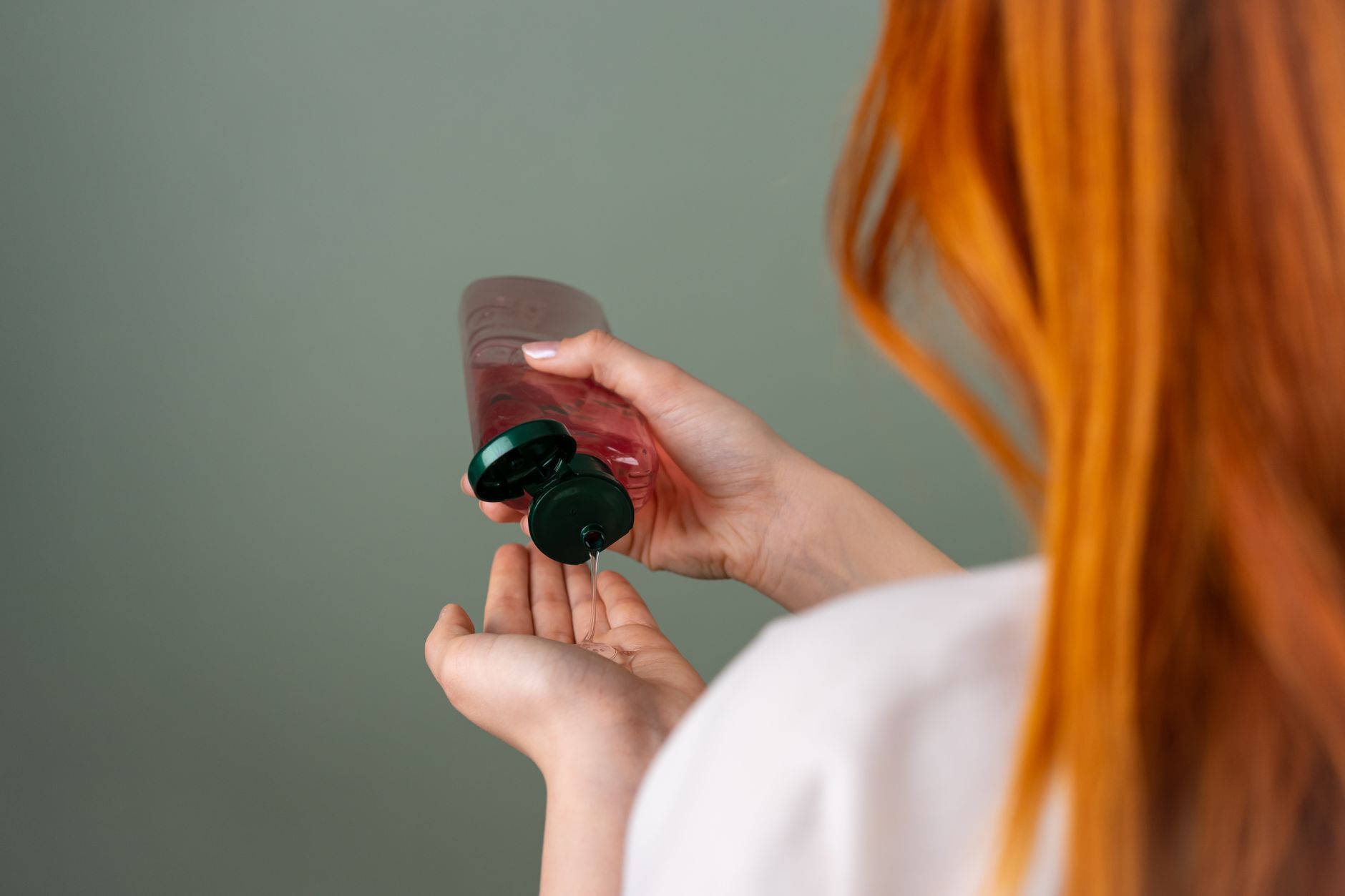
Dry shampoo has become a staple in many hairstyling routines, offering a quick solution to greasy hair without the need for water. However, many people wonder if it’s harmful to hair health. This guide aims to explore the potential risks and benefits associated with dry shampoo, how to use it safely, and whether it truly is bad for your hair.
With the increasing popularity of dry shampoo, it’s essential to consider its effects on various hair types and scalp conditions. Let’s delve deeper into what dry shampoo does, how to use it responsibly, and what alternatives exist if you’re concerned about its long-term effects.
Is Dry Shampoo Bad for Your Hair?
No, dry shampoo is not inherently bad for your hair, but its misuse or overuse can lead to issues. While it can effectively absorb excess oil and add volume, there are risks related to product build-up and scalp health. It’s crucial to use it correctly and maintain regular washing to keep both your hair and scalp healthy.
What Is Dry Shampoo? How Does It Work?
Dry shampoo is a product designed to absorb oil, sweat, and odor from the hair and scalp. It typically comes in spray or powder form and contains starch or alcohol-based ingredients that help eliminate excess oil. When sprayed or dusted onto the roots, it can create a fresher appearance and reduce the greasy look of unwashed hair.
Ingredients Commonly Found in Dry Shampoo
Most dry shampoos contain one or more of the following ingredients:
- Starch (corn, rice, or potato starch): Absorbs oil and adds texture.
- Alcohol: Evaporates quickly and helps dry out oils.
- Clays: Such as kaolin or bentonite, which absorb moisture and oil.
- Aroma components: To mask any hair odors.
Benefits of Using Dry Shampoo
Dry shampoo serves several purposes, particularly for those with busy lifestyles. Here are some benefits of using dry shampoo:
Convenience
Dry shampoo allows you to refresh your hair quickly without water, making it invaluable for those on the go. It saves time and is handy for travel or busy schedules.
Volume and Texture
In addition to absorbing oil, dry shampoo can create volume and texture, making it popular for styling purposes. It can give fine hair a boost and help maintain hairstyles longer.
Less Frequent Washing
Using dry shampoo can extend the time between washes, which can be beneficial for hair health. Frequent washing can strip away natural oils, leading to dryness and damage, particularly in textured or dry hair.
Great for After Workouts
If you’re hitting the gym, dry shampoo can save you time by refreshing your hair after a workout without a full wash. This can be especially useful for busy individuals who find it hard to fit in long grooming routines.
Potential Risks and Downsides of Dry Shampoo
While dry shampoo has its advantages, several potential downsides warrant consideration:
Product Build-Up
Overusing dry shampoo can lead to a buildup of product on your hair and scalp. This can cause the hair to feel weighed down and may interfere with the scalp’s health.
Scalp Health Concerns
The accumulation of dry shampoo can lead to clogged pores on the scalp, potentially resulting in irritation, itching, or dandruff. It’s essential to cleanse the scalp regularly to prevent these issues.
Not a Replacement for Hair Washing
Dry shampoo can effectively mask the appearance of grease, but it does not cleanse the hair or scalp. It should never replace regular washing with water and an appropriate shampoo.
Allergic Reactions
Some individuals may experience allergic reactions to ingredients in dry shampoo, especially fragrances or preservatives. Always read ingredient labels and consider performing a patch test if you’re trying a new product.
How to Use Dry Shampoo Safely
To maximize the benefits of dry shampoo while minimizing potential risks, follow these guidelines:
Apply Correctly
- Shake the canister (if in spray form) to ensure even distribution.
- Hold the can 6–8 inches away from your scalp.
- Part your hair in sections and spray or sprinkle directly onto the roots.
- Let the product sit for a couple of minutes to absorb oils.
- Massage the product into your scalp with your fingertips, then brush through to distribute evenly.
Limit Frequency of Use
Try to use dry shampoo sparingly. Limit it to one or two uses between washes and schedule regular wash days to maintain a healthy scalp. Aim to use traditional shampoo at least once a week.
Choose Quality Products
Select dry shampoos that are free from potentially irritating ingredients. Look for options without heavy fragrances or alcohol if you have sensitive skin.
Be Mindful of Usage
Pay attention to how your hair and scalp respond. If you notice signs of irritation or excessive buildup, consider adjusting your usage or opting for different hair care products.
Alternatives to Dry Shampoo
If you have concerns about using dry shampoo, there are alternatives you may consider:
Regular Shampooing
The most straightforward alternative is to wash your hair with water and shampoo. This allows you to remove oil and dirt effectively but may not fit everyone’s schedule.
Cleansing Oils
Cleansing oils can help dissolve excess sebum without stripping hair of natural oils. They work by removing buildup while nourishing hair instead of drying it out.
Natural Dry Shampoo Options
You can make your own dry shampoo using natural ingredients. Here are simple recipes:
- Cornstarch or Arrowroot Powder: Apply directly to the scalp for an oil-absorbing effect.
- Cocoa Powder: For dark hair, mix cocoa powder with cornstarch for a colored dry shampoo.
Sustainable Hair Care Practices
Practice sustainable hair care by using microfiber towels to dry hair after washing or incorporating water-saving techniques into your routine. Reducing the frequency of washes while using regular shampoo can also promote healthy hair.
Signs You May Need to Change Your Hair Care Routine
It’s crucial to stay attuned to your hair and scalp’s needs. Here are some signs that you might need to reassess your hair care routine:
- Increased scalp irritation, itching, or redness.
- Excessive product buildup that makes hair feel heavy or greasy.
- Changes in hair texture or unusual hair loss.
Conclusion
In moderation and with proper application, dry shampoo can be a practical tool for managing oiliness and maintaining hairstyles between washes. However, like all beauty products, mindful use is key. Establishing a balanced hair care routine that includes regular washing while using dry shampoo sparingly can help you enjoy the benefits without incurring the risks.
If you’re looking for more tips on scalp health or hair care, check out our guides on how to get rid of dandruff and whether coconut oil is good for your hair.